Heart Rate Variability Testing for POTS is an increasingly valuable tool in the diagnostic process for individuals experiencing symptoms related to postural orthostatic tachycardia syndrome. By analyzing fluctuations in time intervals between heartbeats, this non-invasive method offers crucial insight into autonomic nervous system function—specifically, how well the body adapts to stress, movement, and positional changes.



If you’re navigating daily symptoms like rapid heartbeat, dizziness, or fatigue upon standing, understanding the relationship between POTS and HRV testing may help uncover patterns that inform more effective treatment strategies.
Heart Rate Variability (HRV) refers to the variation in time between each heartbeat, measured in milliseconds. Rather than maintaining a perfectly even rhythm, a healthy heart responds flexibly to internal and external stimuli—shifting in response to breathing, emotional stress, activity, and rest.
Have you found that supplementing for any nutritional deficiency helped your symptoms?
This variability is controlled by the autonomic nervous system, particularly the balance between the sympathetic (fight-or-flight) and parasympathetic (rest-and-digest) branches. A higher HRV typically indicates a well-regulated nervous system, while lower HRV may suggest impaired adaptability, chronic stress, or dysautonomia.
Understanding POTS and Autonomic Dysfunction
POTS (Postural Orthostatic Tachycardia Syndrome) is a form of dysautonomia that causes an abnormal increase in heart rate when moving from lying down to standing. While blood pressure often remains stable, the exaggerated heart rate response leads to lightheadedness, palpitations, fatigue, and even fainting.
What makes POTS complex is the diversity of its underlying mechanisms. Some people experience neuropathic POTS, where peripheral autonomic nerves underperform, while others may deal with hyperadrenergic POTS, marked by excessive sympathetic activity. HRV testing helps distinguish these subtypes and evaluate autonomic tone, giving clinicians a more personalized view of nervous system performance.
How HRV Testing Is Performed for POTS
HRV testing is non-invasive, widely accessible, and typically painless. Here’s a breakdown of how it’s conducted:
- Preparation: You’ll be asked to avoid caffeine, alcohol, and intense physical activity before the test. Resting in a calm environment improves accuracy.
- Measurement Devices: Sensors—usually ECG electrodes, fingertip photoplethysmographs, or chest straps—record your heartbeat patterns. Testing may occur at rest, during deep breathing, or while standing.
- Data Analysis: Specialized software evaluates the time intervals between beats. Readings are broken down into time domain, frequency domain, and nonlinear metrics, offering insight into sympathetic and parasympathetic balance.
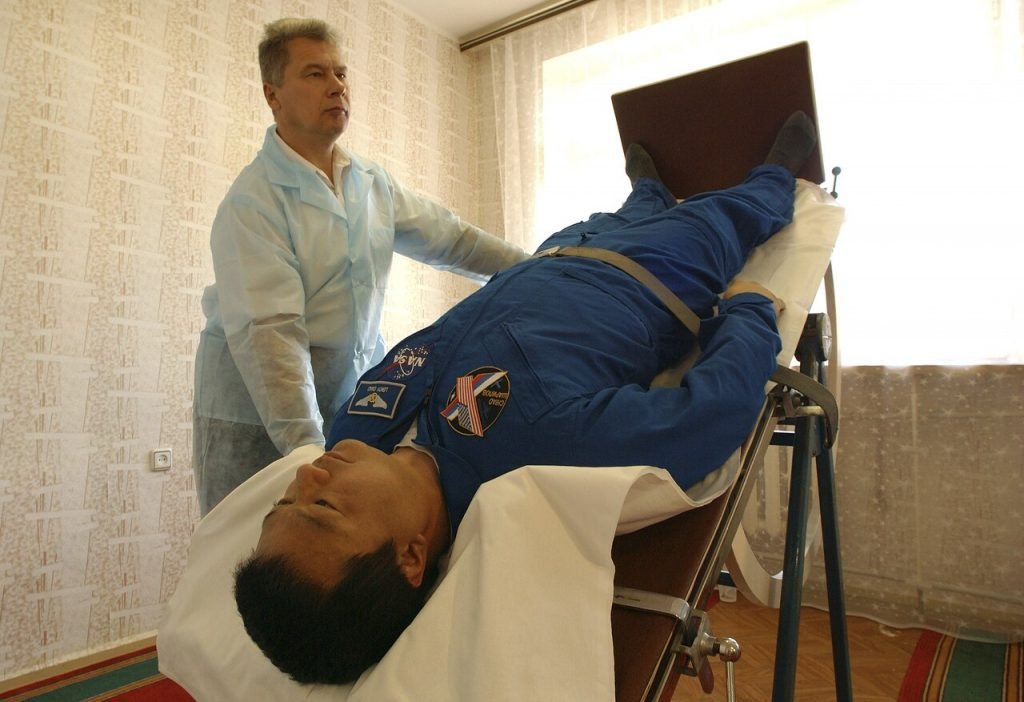
- Challenge Protocols: Some tests include positional changes (like a tilt table) or controlled breathing exercises to simulate triggers for autonomic symptoms.
This setup is often used in conjunction with orthostatic testing, baroreflex sensitivity assessments, or Valsalva maneuvers to complete the autonomic picture.
What HRV Metrics Reveal in POTS Patients
HRV analysis in individuals with POTS often reveals key autonomic imbalances:
- Reduced parasympathetic tone: Lower values in high-frequency HRV suggest impaired vagal function.
- Elevated sympathetic activity: Increased low-frequency components or high LF/HF ratios may reflect hyperadrenergic states.
- Poor adaptability to stress: Flattened HRV responses during breathing exercises or posture changes indicate diminished autonomic flexibility.
These data points can help differentiate between hypovolemic, neuropathic, and hyperadrenergic POTS, tailoring management plans around individual responses.


Benefits of HRV Testing in Managing POTS
HRV testing provides more than just a diagnostic snapshot. When used longitudinally, it offers ongoing feedback about autonomic health and treatment response.
Benefits include:
- Tracking symptom improvement over time
- Evaluating lifestyle interventions like exercise, hydration, or meditation
- Monitoring medication effects on nervous system balance
- Supporting differential diagnosis among overlapping conditions like ME/CFS or orthostatic hypotension
For patients with fluctuating symptoms, HRV data brings objectivity to a condition that can otherwise feel inconsistent and difficult to explain.
Limitations and Considerations
While HRV testing is insightful, it isn’t a standalone diagnostic tool. Variability can be influenced by factors like anxiety, sleep deprivation, breathing patterns, and even menstrual cycles. To ensure reliability:
- Use consistent testing times, ideally in the morning
- Avoid external stressors before the test
- Combine results with thorough clinical evaluation, tilt table testing, and symptom diaries
Because HRV norms vary widely between individuals, it’s most useful for tracking personal trends rather than comparing absolute scores against standardized charts.
Tools Used for HRV Testing
Several platforms and devices are available for clinical and at-home use. While some medical-grade systems are used in specialty clinics, consumer wearables are increasingly accurate for trend observation. Common tools include:
- ECG Holter monitors for 24-hour continuous HRV
- Bluetooth chest straps like Polar H10 for short-term readings
- Wearables (Oura Ring, WHOOP, Garmin, etc.) for overnight or resting data
- Apps like Elite HRV or Kubios for visualizing trends over time
Though consumer tools shouldn’t replace medical evaluation, they can be a helpful adjunct in managing autonomic symptoms day to day.

GnarlyTree | TYPES OF POTS
What is Dysautonomia? | Understanding Symptoms, Causes, and Treatment
What is Dysautonomia? The autonomic nervous system (ANS) is responsible for regulating many of the body’s automatic functions—things we often take for granted, like maintaining a steady heart rate, digesting food efficiently, and keeping blood...
Frequently Asked Questions
What is heart rate variability testing used for in POTS?
It evaluates autonomic nervous system balance and helps differentiate between POTS subtypes by analyzing parasympathetic and sympathetic tone.
Is HRV testing painful or invasive?
No, it’s completely non-invasive and usually involves just a few sensors or wearables to monitor heartbeat intervals.
Can I do HRV testing at home?
Yes, many wearable devices and apps allow you to track HRV trends on your own, though clinical evaluation offers deeper insights.
What time of day is best to test HRV?
Morning, after waking and before consuming caffeine or food, provides the most consistent and accurate baseline data.
Can HRV testing diagnose POTS?
No—it supports diagnosis by revealing autonomic patterns but must be combined with other tests and clinical history.
What does low HRV mean in someone with POTS?
It may indicate low parasympathetic activity, high sympathetic tone, or poor adaptability to physical or emotional stress.
Are there ways to improve HRV with POTS?
Yes—hydration, light exercise, mindfulness, and medication can all positively impact HRV trends over time.
Is HRV testing safe for children or teens with suspected POTS?
Yes, but pediatric evaluations should be overseen by a clinician familiar with autonomic testing in younger populations.
How often should HRV be monitored?
It depends on your goals—daily for tracking trends, or monthly for medical reassessment with your provider.
Can medications affect HRV readings?
Absolutely—beta blockers, stimulants, or antidepressants can all influence HRV and should be considered when analyzing results.
Final Thoughts
Heart Rate Variability Testing for POTS has emerged as an invaluable tool in understanding the nuance of autonomic function. Rather than focusing solely on symptoms, HRV opens a data-driven lens into the rhythms of the body’s internal regulation systems—highlighting imbalances, progress, and opportunities for targeted intervention.
Whether used in a clinical setting or through wearable tech, HRV offers an empowering dimension to POTS management—one that brings clarity to a complex condition and helps track recovery in real time.
Do you find a difference in your symptoms based on a weather change?