
Exercise for POTS Management | Physical Conditioning with POTS
Learn how gentle, structured conditioning can support circulation, strength, and autonomic stability for people with POTS.
Learn how gentle, structured conditioning can support circulation, strength, and autonomic stability for people with POTS.
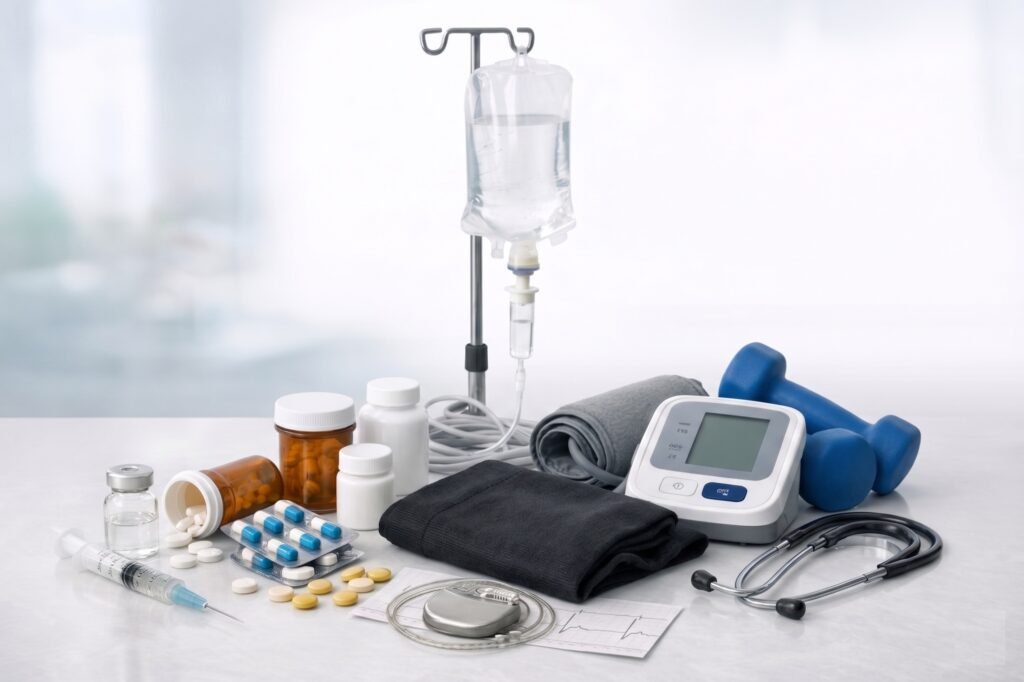
A research‑informed overview of commonly used therapies that may support symptom management and autonomic stability in POTS.

Guidance on preparing for appointments, describing symptoms clearly, and advocating for effective POTS care.
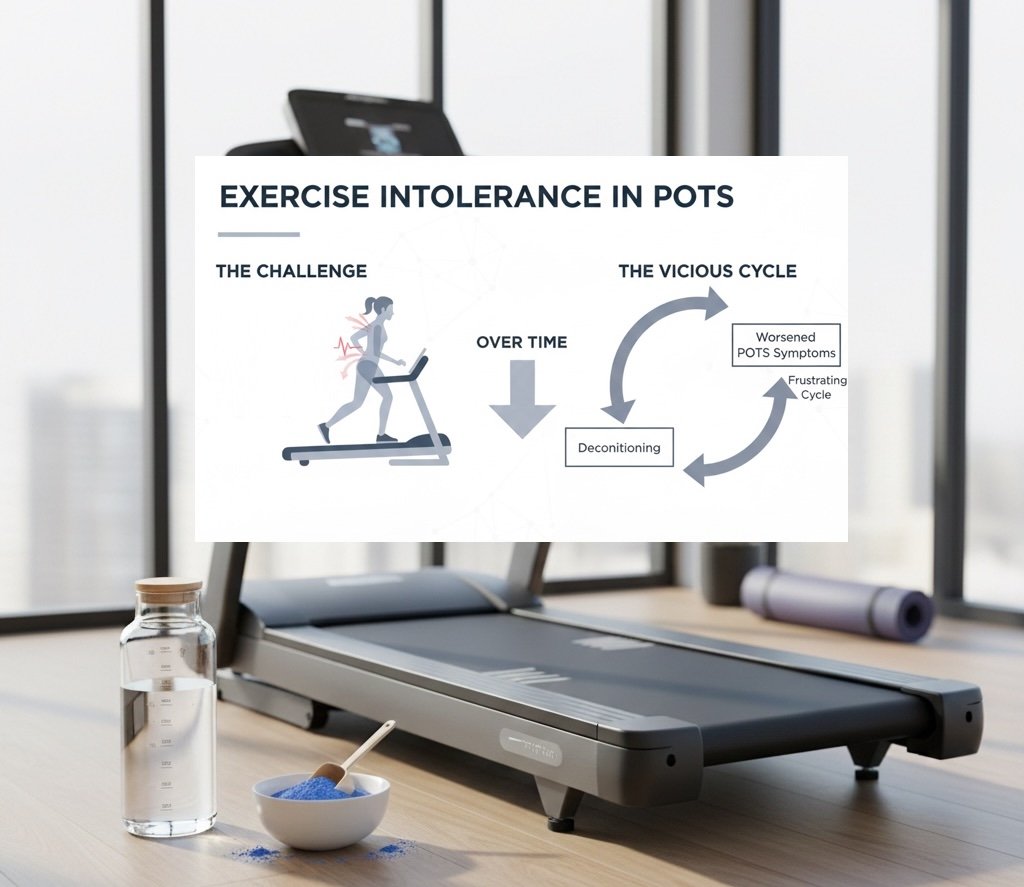
A clear explanation of the CHOP and Levine exercise programs and how they support gradual conditioning for POTS.

A beginner‑friendly explanation of dysautonomia, its symptoms, common causes, and supportive management approaches.

A straightforward introduction to POTS, its symptoms, diagnostic criteria, and supportive management options.

A guide to distinguishing POTS symptoms from those caused by other conditions, helping patients track patterns more clearly.

An invitation for readers to share their experiences with POTS to help build community and collective understanding.

A glossary of essential POTS terms to help patients understand medical language and navigate research with confidence.

Practical tips for communicating with providers, preparing for appointments, and advocating for care when living with POTS.
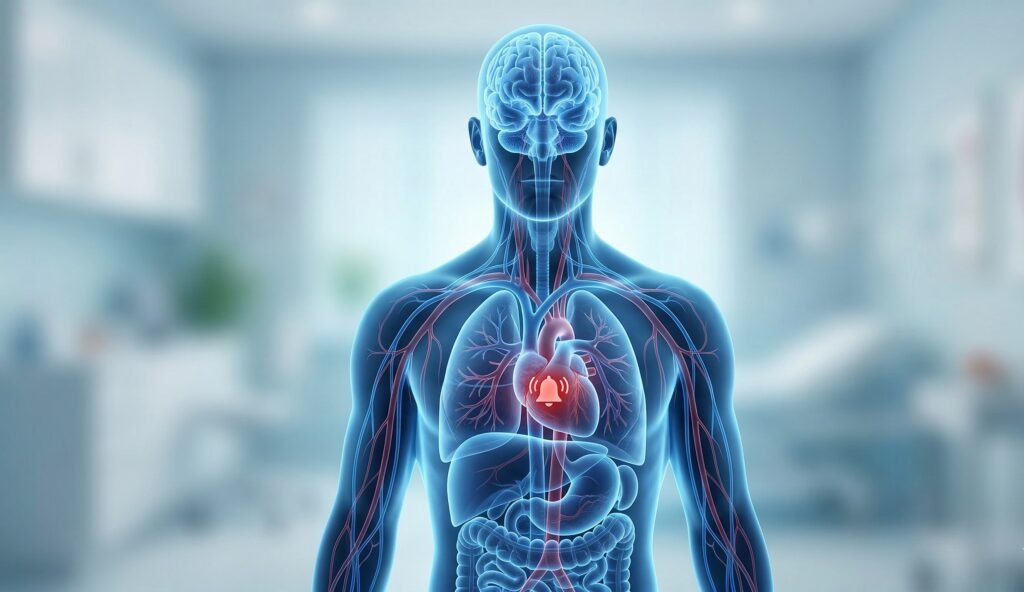
Understand the medical conditions that may contribute to secondary POTS and how identifying the underlying cause can guide management.
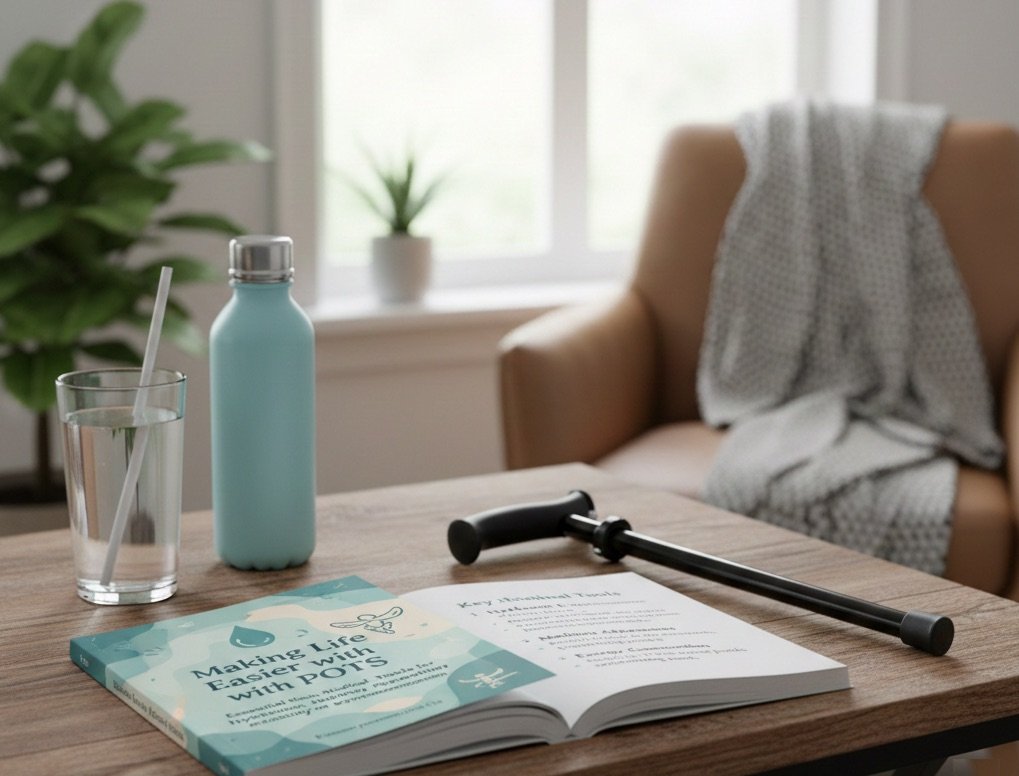
A guide to simple, non-medical tools that support daily comfort, mobility, hydration, and symptom management for people with POTS.

Explore lifestyle adjustments that support autonomic balance, reduce symptom flares, and improve daily functioning with POTS.

Learn how strategic nutrition choices can support blood volume, energy, digestion, and symptom stability in POTS.

Learn how fluid intake, electrolytes, and daily hydration habits support blood volume and help reduce orthostatic symptoms.
A clear guide to understanding sodium needs in POTS and how salt intake supports blood volume and symptom stability.
Understand the role of electrolytes in blood volume, hydration, and autonomic stability, with practical tips for daily mineral balance.

A reflection on the unique sensations of POTS and how patients often describe symptoms differently than they feel internally.

Explore supportive, non‑pharmaceutical therapies that may help improve comfort, circulation, and autonomic balance in POTS.

A look at how POTS and osteoarthritis may interact, including shared challenges with standing, circulation, and nighttime discomfort.
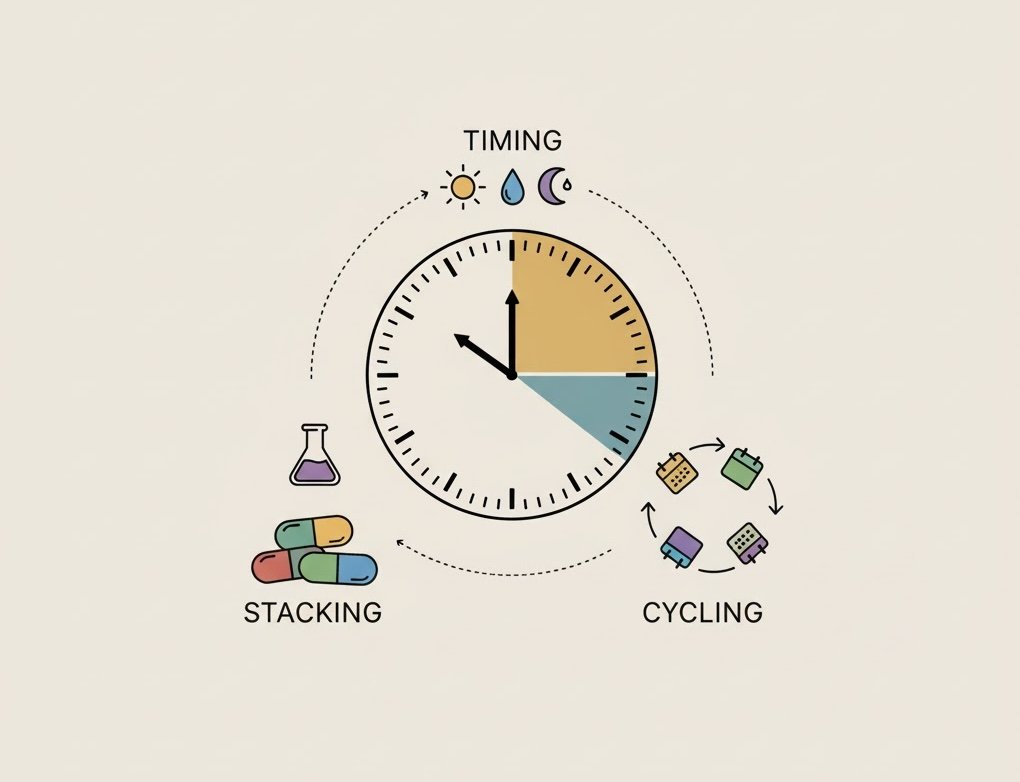
A practical overview of how to organize supplement timing, stacking, and cycling to support daily wellness.
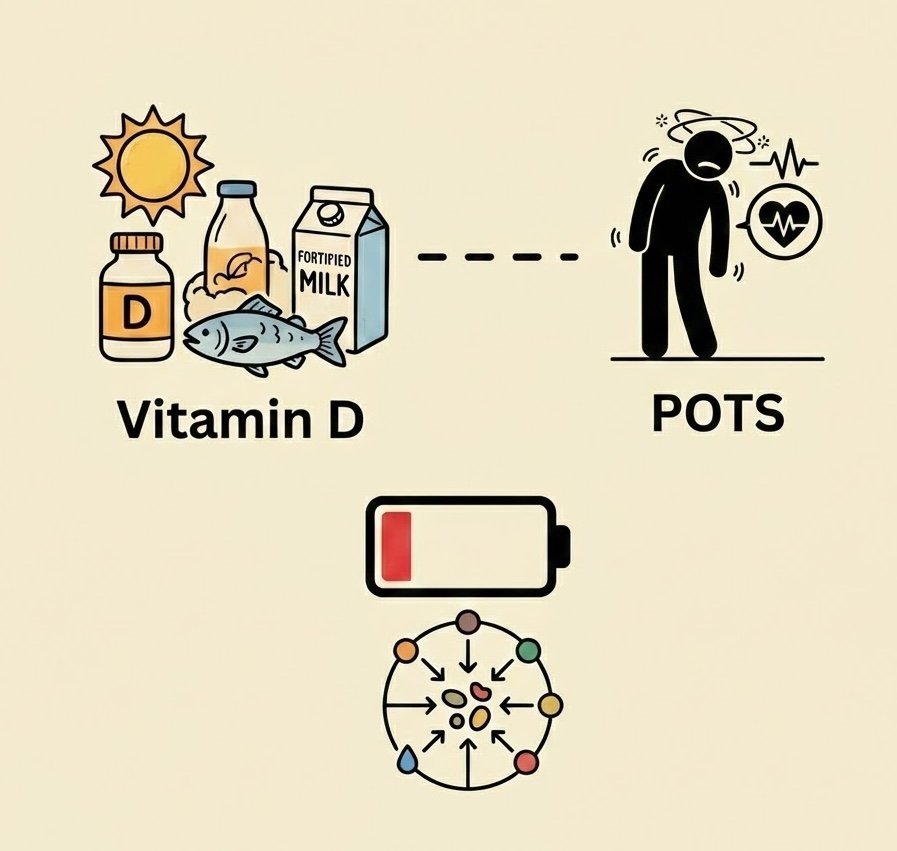
Learn how vitamin D relates to immune health, energy, and symptom patterns in people managing POTS.
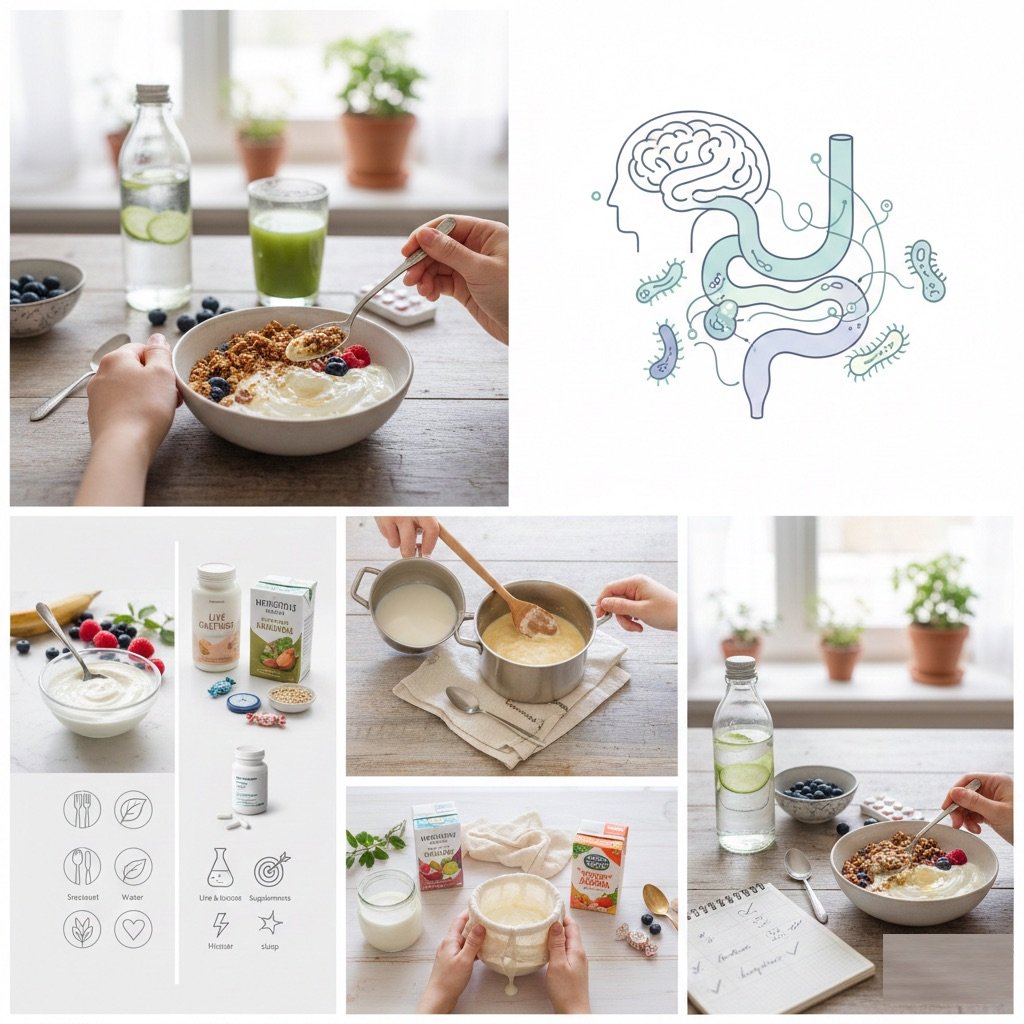
A simple overview of how probiotics and fermented foods may support digestion, gut balance, and overall wellness in POTS.
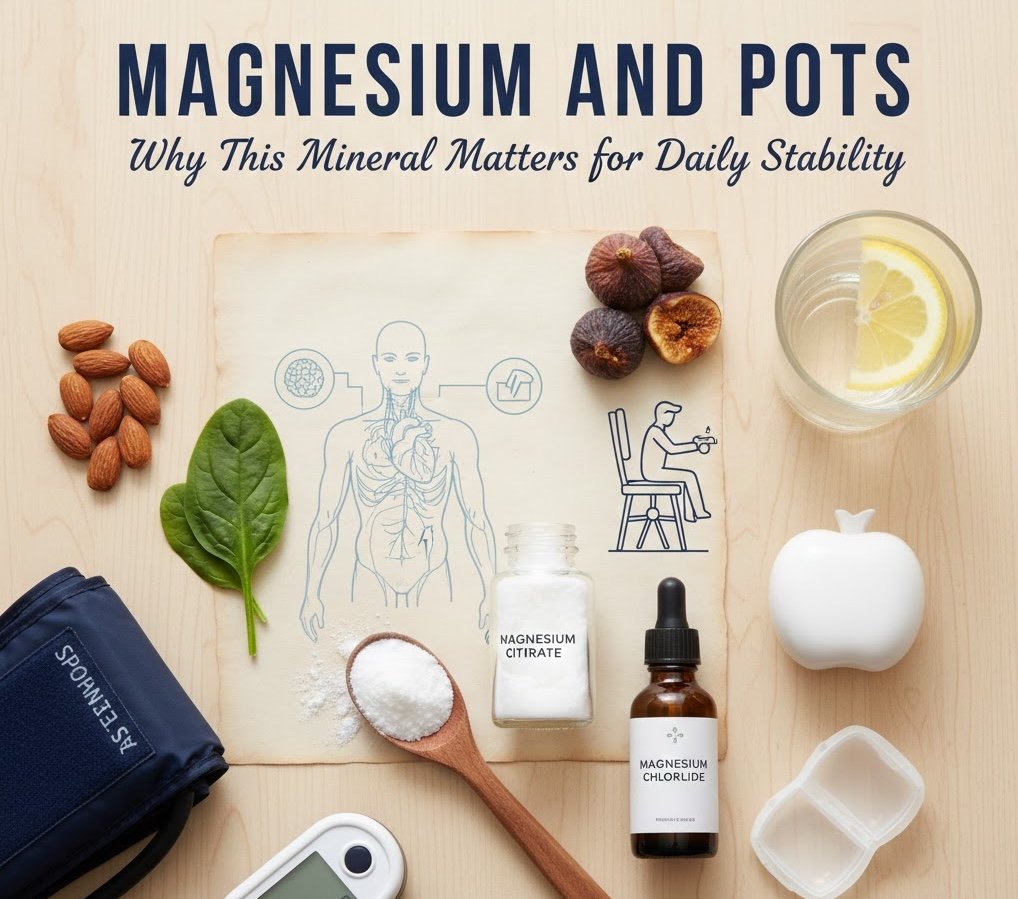
Learn how magnesium supports muscle function, autonomic balance, and symptom stability for people with POTS.

Understand how physical therapists support POTS patients through graded conditioning, mobility strategies, and symptom‑aware exercise.
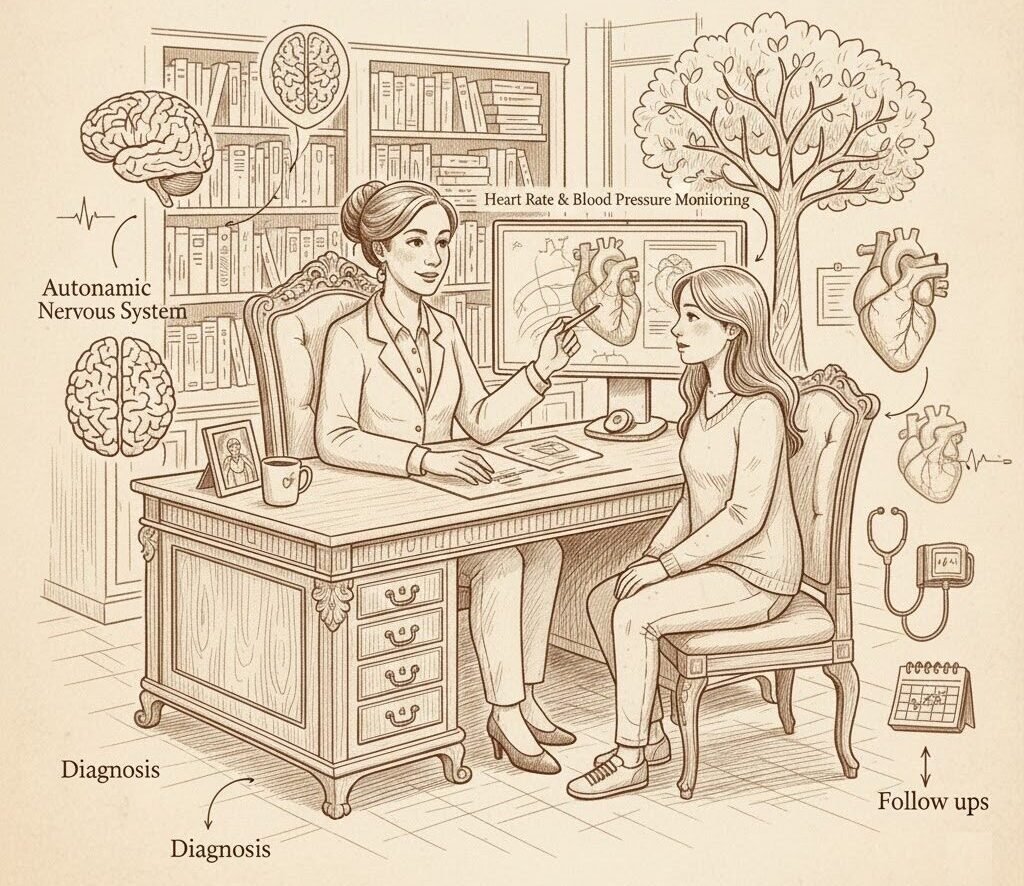
A guide to how cardiologists evaluate POTS, including testing, monitoring, and supportive care approaches.
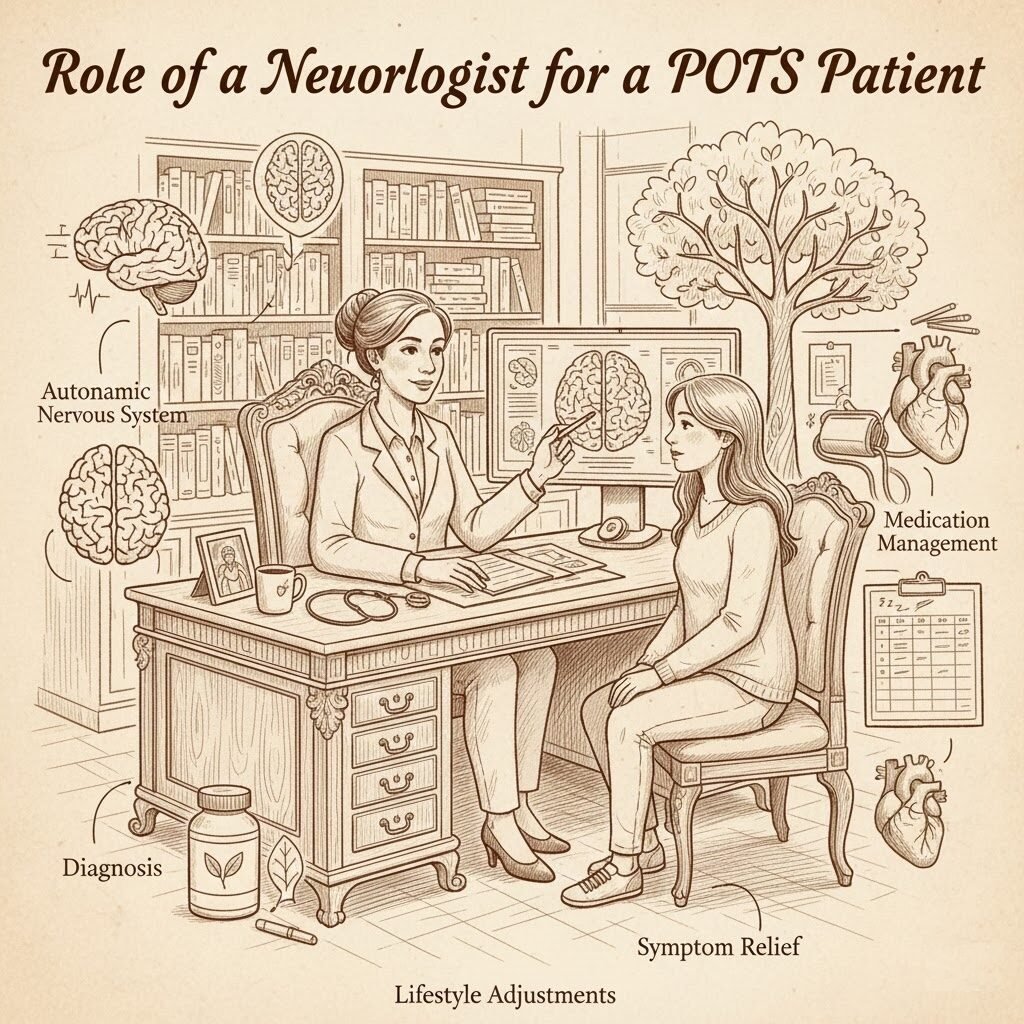
A clear explanation of when neurologists become involved in POTS care and what evaluations they may perform.
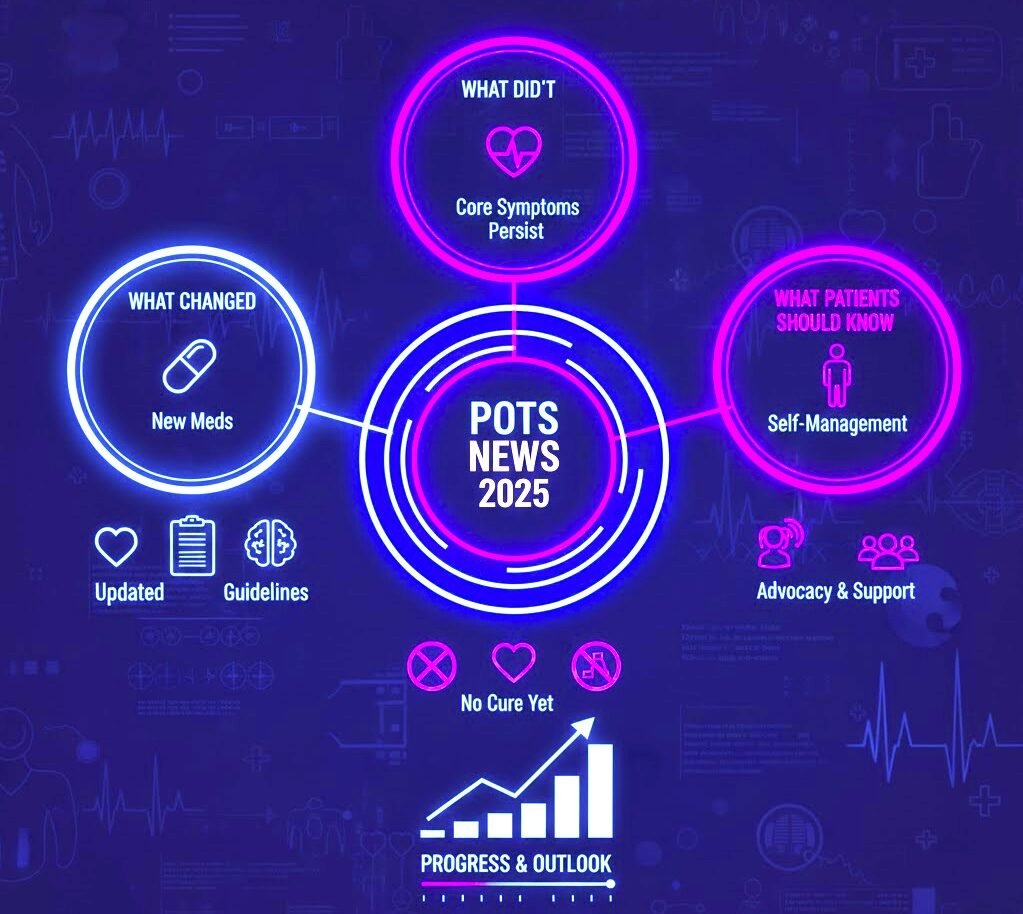
A yearly overview of new research, clinical updates, and evolving insights that matter for people living with POTS.
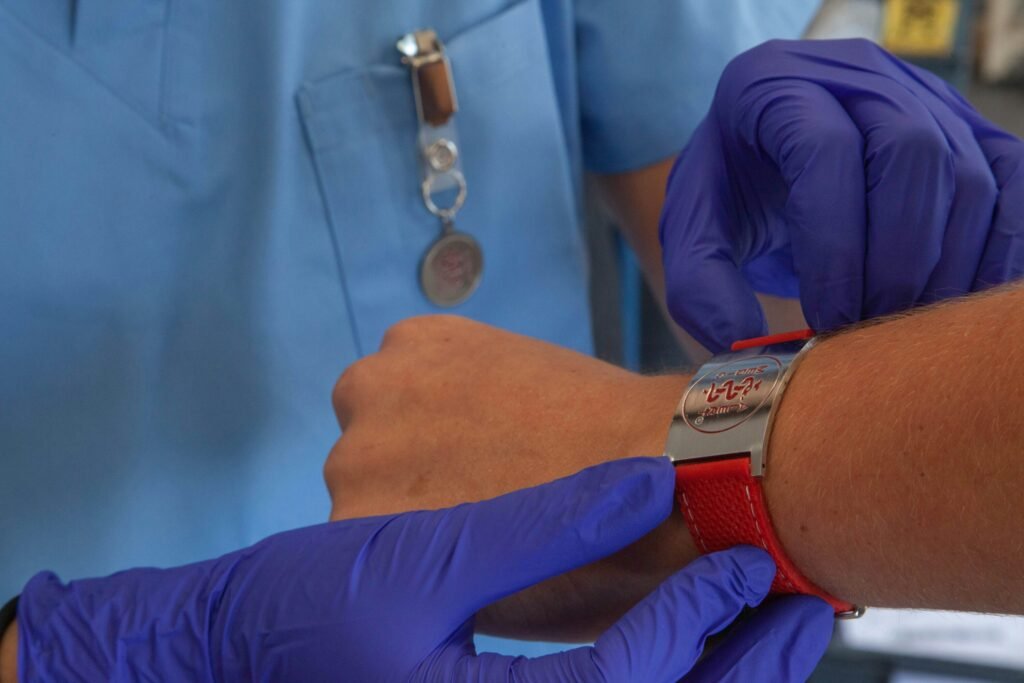
A guide to medical alert options that help communicate POTS needs quickly during emergencies or unexpected symptom flares.
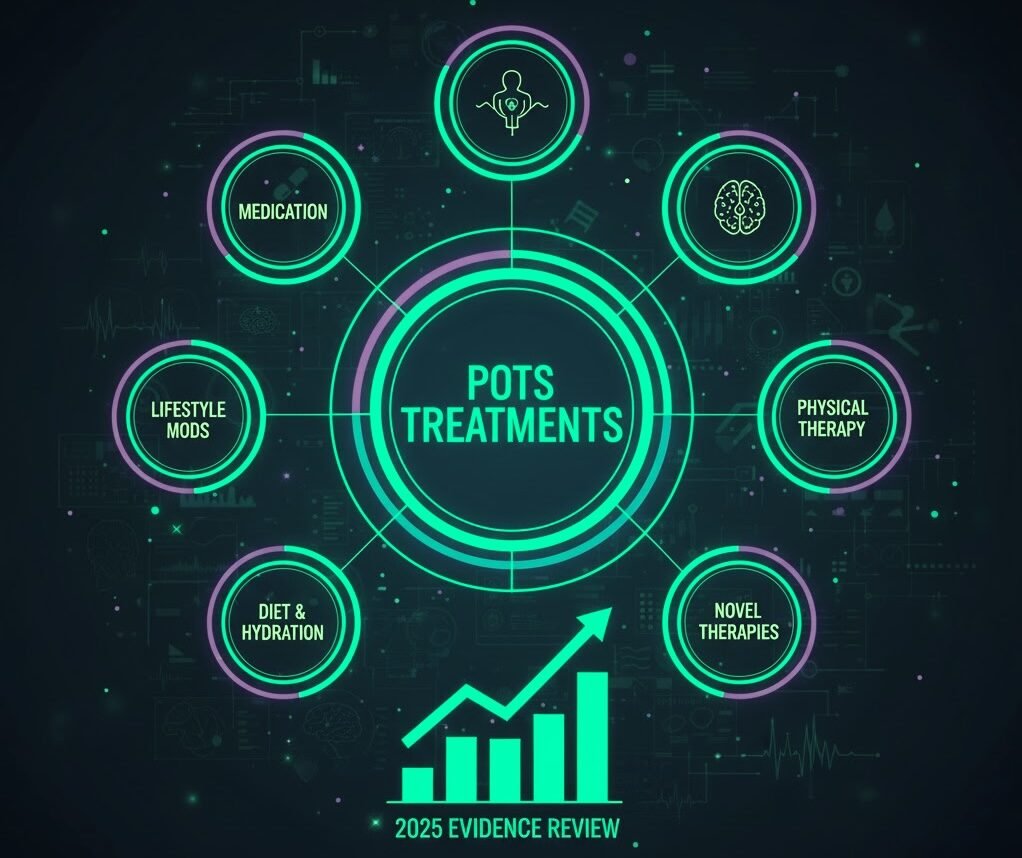
A summary of recent studies exploring POTS treatments, symptom mechanisms, and emerging approaches in dysautonomia care.

A simple explanation of why lying down relieves POTS symptoms and how gravity affects circulation and autonomic function.

A curated list of grocery items that support hydration, sodium balance, and steady energy for people with POTS.
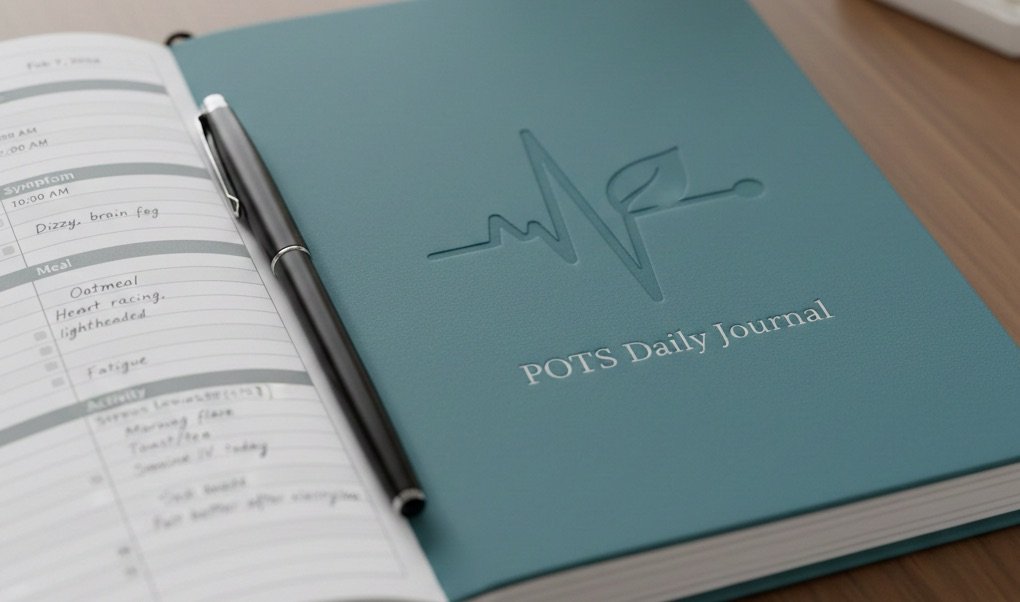
Learn how to create a compact symptom journal that helps track patterns, triggers, and daily changes in POTS.

Learn how autonomic dysfunction may contribute to tinnitus in people with POTS and what factors can influence symptom intensity.
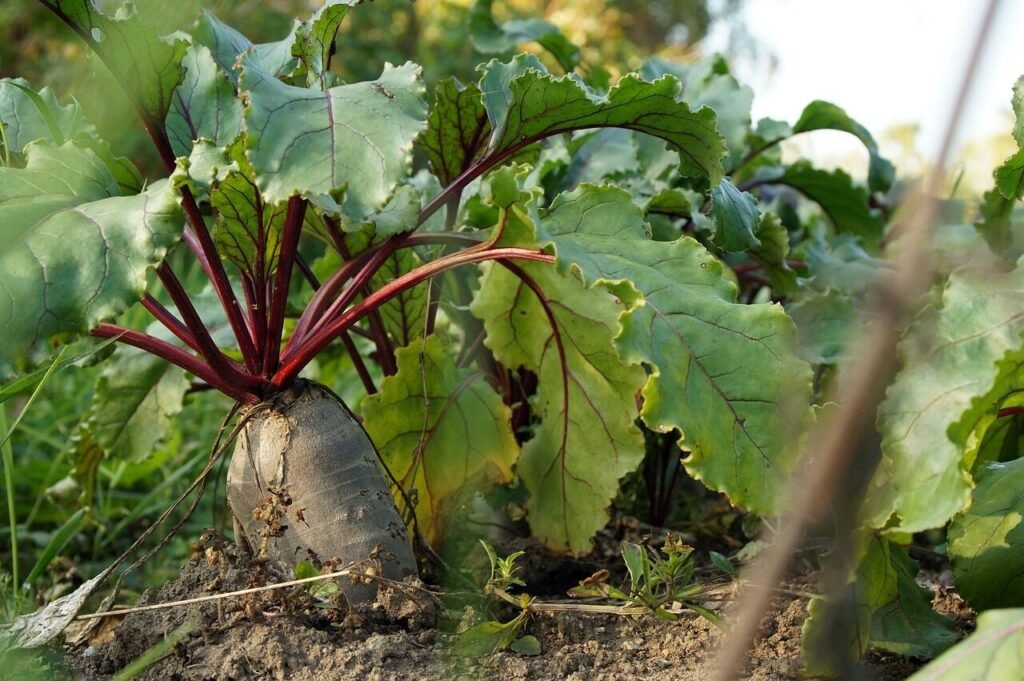
A practical shopping guide focused on anti‑inflammatory foods that support overall wellness and symptom stability.

A personal account of navigating vestibular migraine symptoms, including dizziness, tinnitus, and coping strategies.

Explore how small fiber neuropathy may contribute to autonomic dysfunction and symptom patterns in POTS.

A call for an editor familiar with POTS to help support accurate, patient‑centered content creation.

Understand how vestibular migraines present and why people with POTS may experience dizziness, imbalance, or sensory sensitivity.

Whether you are in North America, Europe, or navigating the emerging resources in Asia and South America, finding a high-tier clinic is key.

A supportive guide for managing difficult days with EDS and POTS, focusing on pacing, comfort strategies, and emotional resilience.