
Table of Contents
Securing a diagnosis and a functional treatment plan for POTS often feels like a huge task. For the millions navigating the dizzying reality of autonomic dysfunction, the search for a medical professional who understands the nuance of the autonomic nervous system is the most critical step toward recovery. This is not merely about finding a doctor who has “heard of” POTS; it is about accessing a specialized clinical infrastructure capable of performing advanced autonomic testing and managing the complex multisystem nature of this disorder.
Whether you are in North America, Europe, or navigating the emerging resources in Asia and South America, finding a high-tier clinic can change the trajectory of your health. This guide provides a comprehensive global directory of the top POTS clinics and specialists, detailing where expert care is located and what these institutions offer to those living with dysautonomia.
Note on Clinic Availability
The landscape of POTS care is constantly evolving. Clinics may change locations, restructure services, or close entirely, while new specialists and programs continue to emerge. While we strive to keep this list current, it may not reflect the most recent updates. We encourage readers to verify details directly with each clinic and consult trusted directories like Dysautonomia International or Standing Up to POTS for the latest information.
North America
The United States and Canada host some of the most advanced research and clinical programs for autonomic disorders in the world. Many of the current diagnostic protocols used globally originated in these centers of excellence.
Vanderbilt Autonomic Dysfunction Center – Nashville, Tennessee
Vanderbilt University is widely considered the epicenter of POTS research. Their Autonomic Dysfunction Center is a multidisciplinary powerhouse that has pioneered much of what the medical community knows about blood volume, norepinephrine levels, and the physiological drivers of orthostatic intolerance. Patients at Vanderbilt benefit from a team of cardiologists and neurologists who utilize a dedicated autonomic laboratory for precise testing. Because it is a research-heavy institution, patients often gain access to cutting-edge clinical trials and the most recent pharmacological strategies.
The Mayo Clinic – Rochester, MN; Phoenix, AZ; Jacksonville, FL
The Mayo Clinic is synonymous with diagnostic precision. Their autonomic testing laboratories are world-renowned, offering a battery of tests that go far beyond the standard tilt table test. Their evaluation often includes the Quantitative Sudomotor Axon Reflex Test (QSART) to assess small fiber neuropathy, thermoregulatory sweat tests, and detailed hemodynamic monitoring. The Mayo Clinic’s “team-of-teams” approach ensures that if a patient’s POTS is secondary to an autoimmune condition or a connective tissue disorder, they are immediately connected with the appropriate sub-specialists.
Johns Hopkins POTS Program – Baltimore, Maryland
Johns Hopkins offers one of the few truly comprehensive POTS programs in the United States. Their approach is heavily focused on the intersection of neurology and physical rehabilitation. The program is famous for its multidisciplinary model, involving specialists in pediatric and adult dysautonomia, physical medicine, and rehabilitation. While their waitlists are notoriously long due to high demand, their clinical framework remains the gold standard for integrated care, particularly for patients requiring intensive physical therapy coordination.
The EDS Clinic – Multi-State (CA, TX, MI, WI)
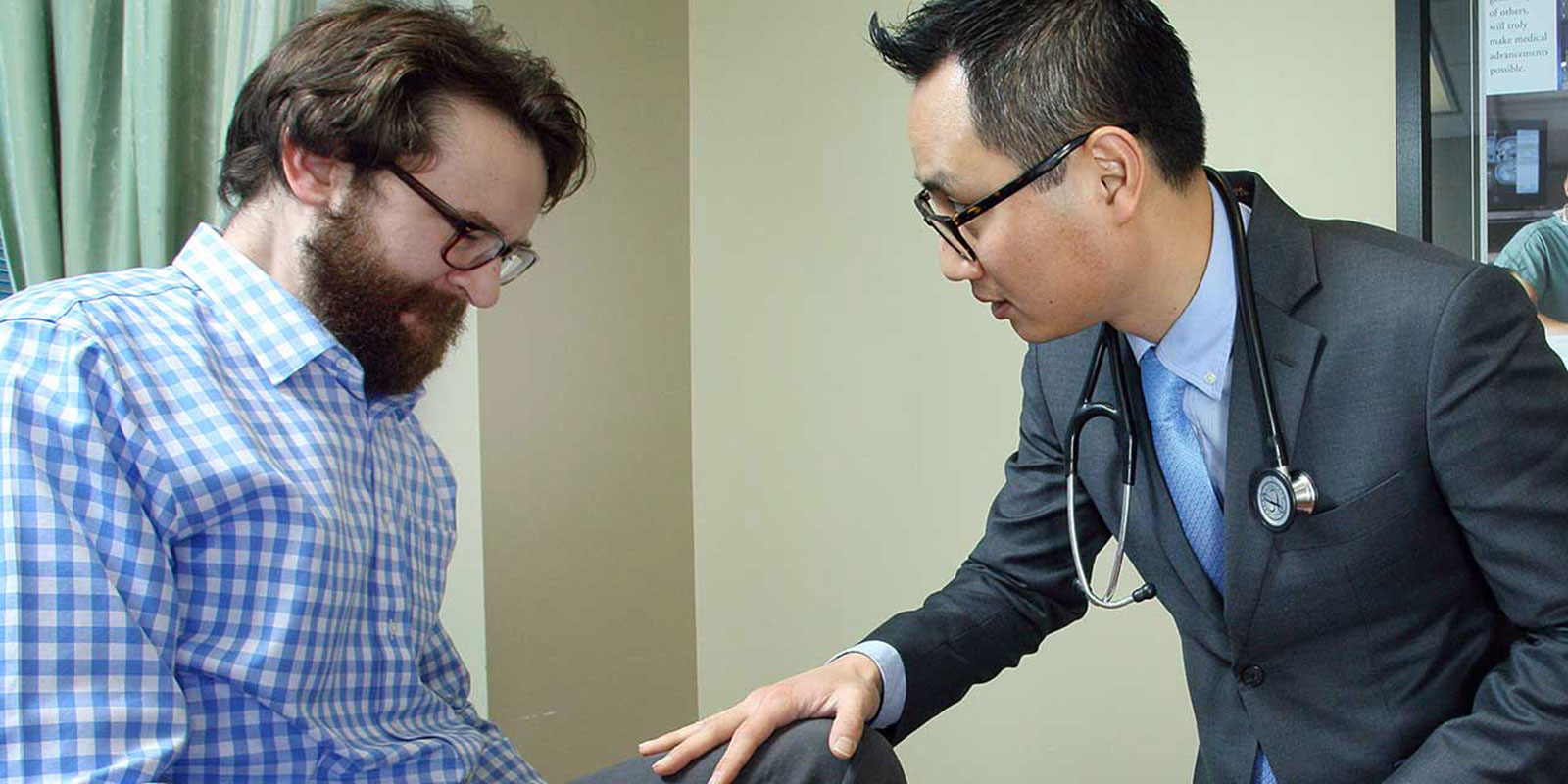
The EDS Clinic has emerged as a vital resource for patients dealing with the “trifecta” of Ehlers-Danlos Syndrome (EDS), POTS, and Mast Cell Activation Syndrome (MCAS). Unlike traditional hospital systems that may struggle to coordinate these three conditions, The EDS Clinic specializes in their overlap. They offer a security-conscious onboarding process and provide both in-person and telehealth consultations, making expert care accessible to those whose symptoms make travel difficult. Their focus is on long-term management and stabilizing the complex interaction between connective tissue laxity and autonomic instability.

Cleveland Clinic – Cleveland, Ohio
The Cleveland Clinic’s Syncope and Autonomic Disorders Center provides a robust clinical environment for the evaluation of orthostatic disorders. Their team is particularly skilled in neuro-cardiology, focusing on the electrical and autonomic signals that regulate heart rate and blood pressure. They offer a highly structured diagnostic phase, ensuring that every potential contributor to a patient’s tachycardia is identified and addressed.
University of Toledo Health – Toledo, Ohio
Dr. Blair Grubb is a legend in the field of autonomic medicine. His work at the University of Toledo has shaped the modern understanding of POTS and its various phenotypes. Patients travel from across the globe to consult with his team. The clinic is known for its compassionate approach and its expertise in handling the most complex, treatment-resistant cases of dysautonomia.

Center for Complex Neurology, EDS & POTS – Phoenix, Arizona
Led by Dr. David Saperstein, this clinic is a haven for patients seeking a deep dive into the neurological roots of their symptoms. Dr. Saperstein is highly regarded for his thoroughness in diagnosing small fiber neuropathy and other neurological underpinnings of POTS. His clinic provides a boutique, patient-centered experience that contrasts with the often-overwhelming scale of large university hospitals.


Center for Complex Conditions – Providence, Rhode Island
Dr. Pradeep Chopra is a leading voice in the management of complex chronic pain and autonomic dysfunction. His clinic in Rhode Island is specifically designed to address the multisystem involvement seen in POTS and EDS. His integrative approach to medicine makes him a top choice for patients who require a nuanced pharmacological strategy combined with a deep understanding of chronic pain mechanics.

Toronto General Hospital – Autonomic Unit (Canada)
In Canada, the Autonomic Unit at Toronto General Hospital stands as the primary resource for complex dysautonomia. They provide specialized testing and consultation services for patients across the country. The unit is dedicated to both clinical care and research, ensuring that Canadian patients have access to evidence-based management within a public healthcare framework.
Europe
Europe has a sophisticated network of autonomic units, many of which are situated within historic university hospitals that lead the continent in neurological and cardiovascular research.

National Hospital for Neurology and Neurosurgery – London, UK
Located at Queen Square, this is the premier autonomic unit in the United Kingdom. It is a world leader in neurology and provides the most comprehensive autonomic testing in the country. Their specialists are experts in the differentiation between various forms of dysautonomia and offer a coordinated care model that links neurology with cardiology and pain management.
Queen Elizabeth Hospital – Birmingham, UK
Another pillar of British autonomic care, the Queen Elizabeth Hospital is known for its specialized focus on the autonomic nervous system. Their specialists work closely with patients to develop long-term management plans, and the hospital is a key center for those seeking experts who are well-versed in the latest POTS research.
Charité – Universitätsmedizin Berlin – Germany
As one of the largest university hospitals in Europe, Charité is at the forefront of autonomic research in Germany. Their neurology department features specialists who focus specifically on dysautonomia and small fiber disorders. The clinic is known for its precision in diagnostics and its ability to provide a multidisciplinary environment for patients with complex multisystem symptoms.
University Hospital Erlangen – Germany
This German institution offers an advanced autonomic laboratory where researchers and clinicians work together. They are particularly known for their work in the immunological aspects of POTS and provide a research-rich environment for patients who have not found success with standard treatments.
Amsterdam UMC – Netherlands
The Amsterdam University Medical Centers provide a centralized hub for POTS care in the Netherlands. Their cardiology and internal medicine departments are highly collaborative, offering personalized treatment protocols. They also lead the way in educating physiotherapists across the region on POTS-specific rehabilitation.


University Hospital Zurich – Switzerland
Switzerland’s healthcare system is renowned for precision, and the University Hospital Zurich is no exception. Their interdisciplinary team includes neurologists, cardiologists, and immunologists who specialize in the autonomic nervous system. Their focus on precision medicine makes them an excellent choice for patients requiring a detailed, data-driven diagnostic workup.


Hospital Clínic de Barcelona – Spain
This hospital is a major center for autonomic research in Southern Europe. Their neurology and internal medicine departments offer specialized consultations for POTS and related conditions. Spain’s healthcare system supports highly coordinated care, and this clinic serves as a primary resource for patients with complex, multisystem autonomic dysfunction.


Oslo University Hospital – Norway
Rikshospitalet in Oslo features a specialized autonomic unit that serves the Scandinavian region. Their team focuses on a balance of pharmacological and non-pharmacological interventions, providing a comprehensive approach to POTS that includes expert diagnostic testing and long-term coaching.



Australia & Oceania
Australia has a robust healthcare system with several key institutions dedicated to the research and treatment of heart rate variability and autonomic health.
The Baker Heart and Diabetes Institute – Melbourne, VIC
The Baker Institute is a global leader in cardiovascular research. Their clinical services include advanced autonomic testing, and their researchers are constantly investigating the mechanisms of blood pressure regulation and tachycardia. For patients in Australia, this is a top destination for diagnostic clarity.

Royal Melbourne Hospital – Melbourne, VIC
This major teaching hospital provides a multidisciplinary approach to dysautonomia. With access to neurology and cardiology specialists who are “POTS-aware,” patients receive care that is grounded in the latest clinical guidelines. They are particularly experienced in managing cases where POTS overlaps with Chronic Fatigue Syndrome (ME/CFS).
Royal Prince Alfred Hospital – Sydney, NSW
RPA’s autonomic unit is one of the most respected in Australia. They offer specialized tilt table testing and comprehensive evaluations. Their team is known for its holistic approach, collaborating with rehabilitation and pain specialists to ensure that patients are supported across all aspects of their health.
https://slhd.health.nsw.gov.au/rpa
Macquarie University Hospital – Sydney, NSW
Macquarie University’s focus on integrative neurology makes it a standout choice for patients seeking a modern approach to POTS. Their clinicians are well-versed in the neurological drivers of autonomic dysfunction and offer tailored treatment plans that incorporate physiotherapy and nutritional support.
Gold Coast University Hospital – Gold Coast, QLD
This hospital offers autonomic testing and care through its neurology and cardiology departments. The Gold Coast region also has a network of POTS-aware general practitioners and allied health professionals who support long-term management.

Flinders Medical Centre – Adelaide, SA
Flinders is a key resource for patients in South Australia. Their team has significant experience with multisystem conditions, including the overlap of POTS with MCAS and hypermobility disorders. They provide a coordinated care environment that is essential for complex patients.
https://www.sahealth.sa.gov.au/FMC
Fiona Stanley Hospital – Perth, WA
Fiona Stanley Hospital offers autonomic testing and specialist consultations for POTS through its neurology and cardiology units. Western Australia’s healthcare system supports coordinated care, and this hospital is a key resource for patients in the region.
https://fsfhg.health.wa.gov.au
Asia, South America & the Middle East
While awareness is still growing in these regions, there are specific hubs of expertise where patients can find clinicians dedicated to autonomic medicine.

Japan: Tokyo, Osaka, and Wakayama
In Japan, dysautonomia is often categorized under the broader term jiritsu shinkei shitchōshō. Major university hospitals in Tokyo and Osaka have neurology departments that specialize in the autonomic nervous system. Hospitals like Wakayama Medical University are known for their research into the sympathetic nervous system and provide advanced testing facilities for patients across East Asia.
India: Dr. Sarath Menon – Kochi
Dr. Sarath Menon is one of the most recognized specialists in India for the treatment of autonomic dysfunction. Based in Kochi, he has become a primary point of contact for patients across the subcontinent seeking a formal diagnosis and structured management for POTS.
Taiwan: Dr. Li-Chu Hsu – Taipei
Dr. Li-Chu Hsu is a leading neurologist in Taipei who has dedicated much of her work to the study of dizziness and autonomic disorders. Her clinic is a vital resource for patients in Taiwan and neighboring regions who require expert neurological evaluation of their POTS symptoms.
Israel: Dr. Yehuda Shoenfeld and Dr. Jacob Giris – Tel Aviv
Israel is a leader in autoimmune and autonomic research. Dr. Yehuda Shoenfeld is world-renowned for his work on the autoimmune triggers of POTS. Along with Dr. Jacob Giris, these specialists offer a high level of expertise in identifying the underlying causes of autonomic instability in patients within the Middle East and beyond.
Argentina: Dr. Raul Norberto Garillo – Buenos Aires
Dr. Raul Norberto Garillo is a prominent figure in South American autonomic medicine. Based in Buenos Aires, he provides specialized care for patients with POTS and syncope. His work is essential for the growing community of dysautonomia patients in Argentina and South America who seek expert-level cardiovascular and autonomic testing.
Note on Clinic Availability
The landscape of POTS care is constantly evolving. Clinics may change locations, restructure services, or close entirely, while new specialists and programs continue to emerge. While we strive to keep this list current, it may not reflect the most recent updates. We encourage readers to verify details directly with each clinic and consult trusted directories like Dysautonomia International or Standing Up to POTS for the latest information.
How to Choose the Right POTS Clinic for Your Needs
Selecting the right clinic is a decision that should be based on several logistical and medical factors. Because POTS is a chronic condition, the relationship you build with your clinical team is paramount.
Verification of Autonomic Testing Capabilities
A general cardiology clinic may have a tilt table, but a top-tier POTS clinic will have a full autonomic lab. When choosing a clinic, ask if they perform QSART, Valsalva maneuver testing, and heart rate variability (HRV) analysis. These tests provide a much clearer picture of your specific subtype of POTS.
Multidisciplinary Integration
POTS is rarely just a heart problem. The best clinics have established pathways to refer you to gastroenterologists who understand motility issues, immunologists who understand MCAS, and physical therapists who specialize in the Levine or Dallas protocols. Ensure the clinic you choose values a collaborative approach.
Telehealth vs. In-Person Care
Given the fatigue and orthostatic intolerance associated with POTS, travel can be a major barrier. Many top clinics now offer hybrid models where the initial diagnostic testing is done in person, but follow-up medication management is handled via telehealth. This can be a lifesaver for patients living in underserved regions.
Understanding Waitlists and Referrals
Top clinics like Vanderbilt or Johns Hopkins often have waitlists ranging from six months to over a year. It is crucial to start the referral process as early as possible. Many specialized clinics require a detailed referral from a general practitioner or a local cardiologist that includes previous test results to “triage” the urgency of your case.
Navigating Care in Underserved Regions
If you are located in a region without a dedicated POTS clinic, your strategy must shift toward building a “literate” team. This involves finding a local neurologist or cardiologist who is willing to learn and providing them with clinical resources from the major institutions listed above. Many of the top world clinics offer physician-to-physician consultations, which can help your local doctor manage your care more effectively.
A Special Note on Africa and Missing Directories
Currently, our master directory does not have any verified, dedicated POTS clinics listed for the African continent. While there are highly skilled cardiologists and neurologists practicing in urban centers across Africa, specialized autonomic units are still scarce.
I am committed to making this a truly global resource. If you know of a clinic, hospital, or specialist in Africa (or any other underserved region) that provides expert POTS care, please contact me. I want to verify these locations and add them to this list to help others in your community find the care they need. Your contribution could be the turning point for someone else’s journey.
Frequently Asked Questions
What kind of doctor is best for a POTS diagnosis?
Neurologists or cardiologists with a specific sub-specialization in the autonomic nervous system are the most qualified to diagnose and treat POTS.
Do I need a referral to visit a top POTS clinic?
Most specialized clinics within large hospital systems require a referral from a primary care physician or a local specialist.
Are there pediatric-specific POTS clinics?
Yes, many top centers like Johns Hopkins and the Royal Children’s Hospital in Melbourne have dedicated programs for children and teenagers.
Can POTS be managed through telehealth?
While the initial diagnostic testing usually requires an in-person visit for a tilt table test, many specialists manage follow-up care and prescriptions through telehealth.
Why are the waitlists for POTS specialists so long?
There is a worldwide shortage of autonomic specialists relative to the high number of patients seeking care, leading to significant wait times at major centers.
Final Thoughts
Finding expert care for POTS is often the most significant hurdle in a patient’s journey, but it is also the most rewarding. The clinics and specialists outlined in this guide represent the global leaders in autonomic medicine, offering the diagnostic tools and multidisciplinary expertise necessary to tackle the complexities of dysautonomia. Whether you are seeking the research-driven environment of Vanderbilt, the diagnostic precision of the Mayo Clinic, or the specialized “trifecta” care of The EDS Clinic, the right team is out there. By prioritizing clinics that offer comprehensive testing and collaborative care, you can move away from medical uncertainty and toward a structured plan for stability and improved quality of life.
Have you found stress management to be a key part of your POTS care?