A New Era of Recognition and Support for POTS Patients
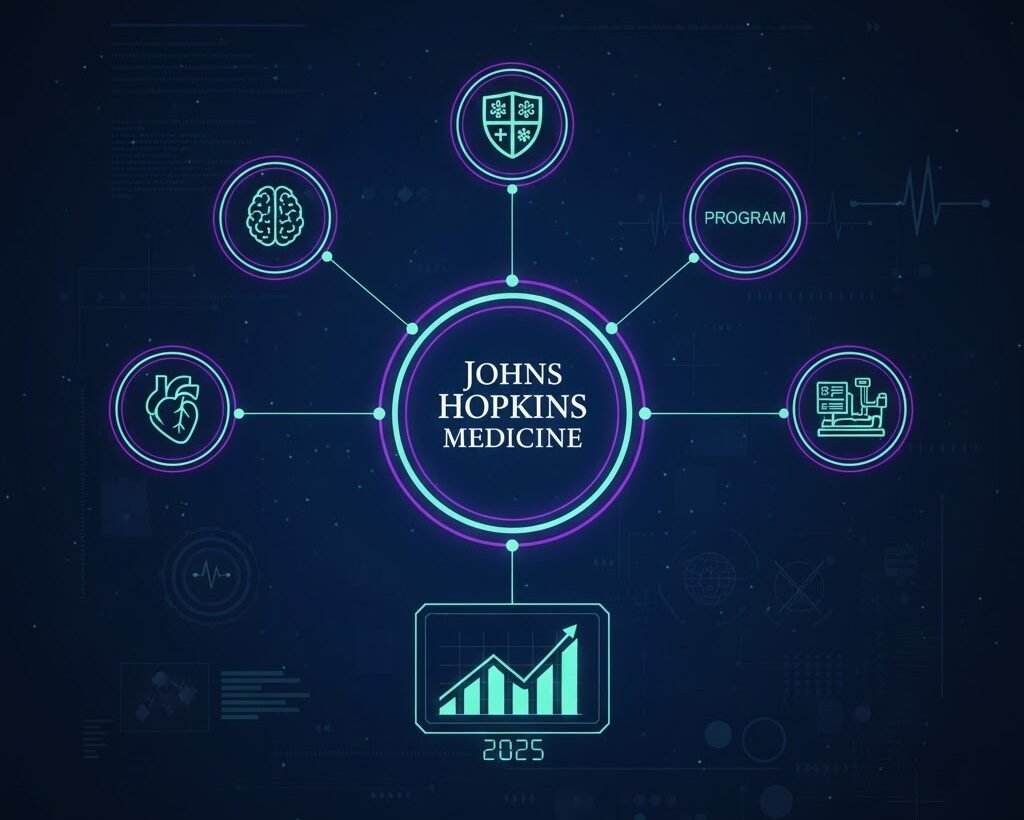
POTS has long been misunderstood, under‑recognized, and difficult to treat. In 2025, one of the most meaningful developments for the POTS community came from Johns Hopkins, where the institution expanded its dedicated POTS program and strengthened its multidisciplinary approach. For patients who have spent years searching for answers, this expansion represents more than a clinical update—it signals a shift in how major medical centers view and support autonomic disorders.
This article explores what the expansion means, why it matters, and how it reflects the growing recognition of POTS as a complex, legitimate medical condition deserving of comprehensive care.
Understanding the Johns Hopkins POTS Program
The Johns Hopkins POTS program has been known for its multidisciplinary structure, bringing together clinicians who understand the wide range of symptoms patients experience. POTS affects the autonomic nervous system, which regulates heart rate, blood pressure, digestion, temperature, and more. Because symptoms can appear across multiple systems, patients often bounce between specialists without receiving a cohesive diagnosis.
How often do you incorporate exercise into your routine?
The expanded program at Johns Hopkins aims to change that experience by offering:
- A coordinated care model
- Clinicians familiar with autonomic dysfunction
- A structured evaluation process
- Support for both adult and pediatric patients
- A focus on complex cases and long diagnostic journeys
This “medical home” approach is especially meaningful for people who have spent years searching for answers.
Why the Expansion Matters in 2025
Growing Recognition of POTS as a Legitimate Condition
For decades, many patients with POTS were dismissed or misdiagnosed. The expansion of a major academic program signals a shift toward broader recognition. When a leading institution invests in a dedicated program, it validates patient experiences and encourages other centers to follow.
Increased Access to Multidisciplinary Care
POTS is not a single‑system condition. Patients often experience symptoms involving:
- Cardiovascular function
- Neurological regulation
- Gastrointestinal issues
- Chronic pain
- Fatigue and exercise intolerance
- Cognitive challenges
A multidisciplinary team can evaluate these symptoms together rather than in isolation. This reduces fragmented care and helps patients receive more cohesive support.
Support for Patients With Long Diagnostic Journeys
Many people with POTS spend years seeking answers. They may see cardiologists, neurologists, rheumatologists, gastroenterologists, and other specialists before receiving a diagnosis. The expanded program acknowledges this reality and aims to provide a centralized place for evaluation.
Increased Research and Academic Attention
When a major institution expands a program, it often leads to:
- More research
- More clinical trials
- More training for future clinicians
- More awareness among medical professionals
This benefits the entire POTS community, not just those who receive care at Johns Hopkins.
What Makes the Johns Hopkins Program Unique
A “Medical Home” Approach
The expanded program emphasizes coordinated care rather than isolated appointments. Patients are evaluated by clinicians who understand the full spectrum of autonomic symptoms, reducing the need to explain their condition repeatedly.
Expertise in Complex and Overlapping Conditions
Many POTS patients also live with:
- Hypermobility
- Chronic pain
- Fatigue syndromes
- Post‑viral conditions
- Long COVID
- Migraines
- Mast cell activation issues
The program’s structure acknowledges these overlaps and provides a more holistic evaluation.
Inclusion of Multiple Specialties
The expanded team includes clinicians from:
- Physical medicine and rehabilitation
- Neurology
- Cardiology
- Rheumatology
- Pain management
- Physical therapy
- Autonomic testing
This diversity reflects the complexity of POTS and the need for broad expertise.
Focus on Both Adults and Children
POTS affects people of all ages, but pediatric care is often limited. The expanded program includes support for younger patients, which is essential for early diagnosis and long‑term management.
How the Expansion Reflects Broader Trends in POTS Care
Increased Awareness After Post‑Viral Illness
In recent years, more people have developed autonomic symptoms after viral infections. This has increased awareness among clinicians and accelerated interest in autonomic disorders.
More Patients Seeking Answers
As awareness grows, more patients are being evaluated for POTS. This has increased demand for specialized programs and highlighted the need for expanded services.
A Shift Toward Multidisciplinary Models
POTS is too complex for a single‑specialty approach. More institutions are beginning to adopt models similar to Johns Hopkins, but Hopkins remains one of the most comprehensive.
What Patients Can Expect From a Program Like This
A More Streamlined Evaluation
Instead of seeing multiple specialists separately, patients may undergo a coordinated evaluation that considers the full range of symptoms.
Validation and Understanding
Many patients report feeling dismissed or misunderstood before receiving a POTS diagnosis. A dedicated program offers a space where symptoms are taken seriously.
Access to Clinicians Familiar With Autonomic Disorders
This reduces the need to educate each provider about POTS and allows for more productive appointments.
Support for Long‑Term Management
While POTS has no cure, many patients benefit from:
- Lifestyle strategies
- Exercise programs
- Symptom tracking
- Autonomic education
- Supportive therapies
A dedicated program can help patients navigate these options.
Why This Expansion Is Important for the Future of POTS Care
The Johns Hopkins expansion is more than a local update—it represents a broader shift in how the medical community views POTS. As more institutions recognize the need for specialized care, patients may see:
- More research funding
- More clinical trials
- More training for clinicians
- More standardized care pathways
- More public awareness
This expansion helps push the field forward and encourages other centers to invest in similar programs.

 GnarlyTree | PERSONAL STORIES WITH POTS
Heat Sensitivity and POTS | How the Sun Can Trigger an Uncontrollable Sweat Cascade
The Unexpected Heat Trap Heat sensitivity with POTS sneaks up without warning. The first touch of sunlight on my skin feels familiar, even pleasant. It’s easy to assume everything is fine—until it suddenly isn’t. One...
Frequently Asked Questions
What makes the Johns Hopkins POTS program different?
It offers a coordinated, multidisciplinary approach designed specifically for the complexity of POTS.
Why is the expansion important?
It increases access to specialized care and signals growing recognition of POTS as a legitimate medical condition.
Does the program support both adults and children?
Yes, the expanded structure includes evaluation for both adult and pediatric patients.
Is this program only for severe cases?
It is designed for people with complex or long‑standing symptoms, but patients with a wide range of experiences may benefit.
Does the expansion mean more research is happening?
Yes, expanded programs often lead to increased research activity and academic attention.
Why do POTS patients need multidisciplinary care?
POTS affects multiple body systems, so coordinated care helps address symptoms more effectively.
Does this expansion change how POTS is diagnosed?
It doesn’t change diagnostic criteria, but it may streamline the evaluation process.
Will other medical centers follow this model?
As awareness grows, more institutions are adopting similar multidisciplinary approaches.
Does this expansion help validate patient experiences?
Yes, major institutional support reinforces that POTS is real, complex, and deserving of specialized care.
Final Thoughts
The expansion of the Johns Hopkins POTS program in 2025 marks a meaningful step forward for the POTS community. It reflects a growing recognition of the condition, the need for multidisciplinary care, and the importance of supporting patients who have spent years searching for answers. While no single program can solve every challenge, this expansion represents progress—both in clinical care and in the broader understanding of autonomic disorders.
For patients, caregivers, and advocates, it is a reminder that the medical community is paying attention, research is growing, and support is expanding. This is more than a headline—it is a sign of hope and momentum for the future of POTS care.
What dietary strategy have you found most helpful for symptom control?