Medical Alerts for POTS
Quick Reference: What to Include
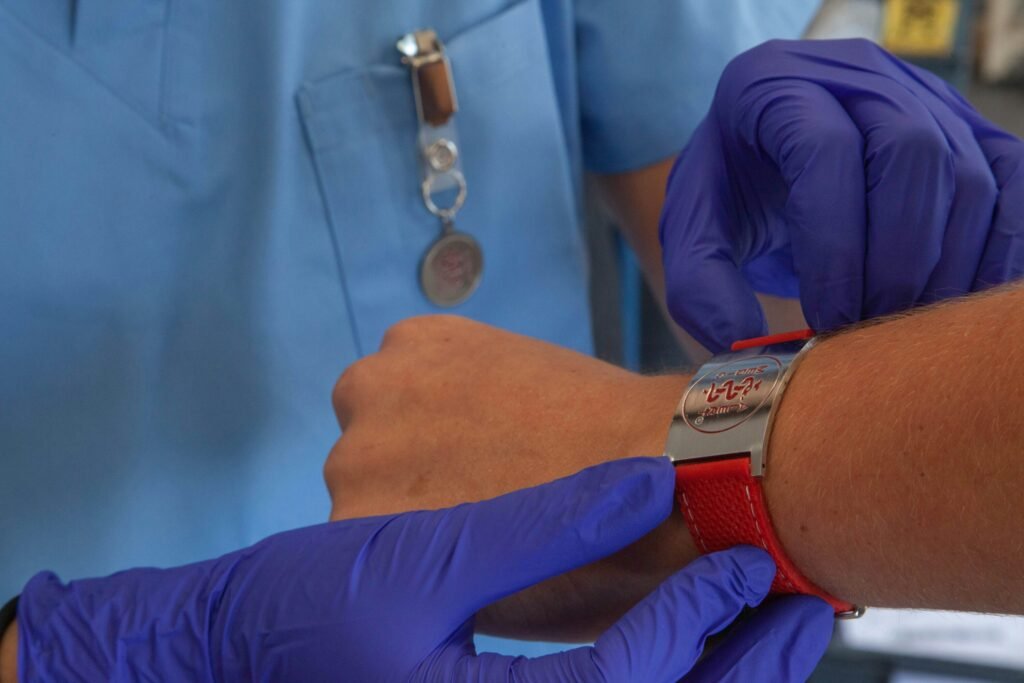
Here’s a quick reference guide for creating a Medical Alert Bracelet, Wallet Card, Watchband Clip, or Keychain Tag for POTS—and a write-up on how to make and use them effectively. These tools can be lifesaving in emergencies and help communicate your condition clearly when you’re unable to speak.
Essential Info (Front Side)
- Medical Condition: Postural Orthostatic Tachycardia Syndrome (POTS)
- Key Symptoms: Dizziness, fainting, rapid heart rate, fatigue
- Critical Note: Not anxiety. Needs fluids, salt, and rest.
- Emergency Instructions: Lay flat, elevate legs, monitor vitals.
- Medications (if space allows): e.g., Midodrine, Beta Blockers
📞 Contact Info (Back Side or Secondary Tag)
- Name
- Emergency Contact (Name + Phone)
- Doctor’s Name (optional)
- Allergies (if any)
- Blood Type (optional but useful)
How-To: Create Your Own Medical Alert Tools
1. Bracelet or Watchband Clip
- Buy: Use sites like RoadID, Lauren’s Hope, or Etsy for customizable options.
- Engrave: Choose stainless steel or silicone with engraved or printed info.
- Placement: Wrist or watchband for visibility.
- Tip: Use abbreviations if space is limited (e.g., “POTS – Needs fluids + rest”).
2. Wallet Card
- Design: Use a printable template or index card.
- Laminate: Protect with a laminator or clear tape.
- Store: Keep in wallet, phone case, or emergency pouch.
- QR Code: Optional—link to a longer medical profile or emergency plan.
3. Keychain Tag or Clip
- Buy: Use engraved dog tags, acrylic tags, or NFC-enabled keychains.
- Attach: Clip to keys, backpack, or medical pouch.
- Bonus: Add a small card with emergency steps or a QR code.
✍️ Sample Write-Up for Sharing or Printing
Medical Alert: POTS (Postural Orthostatic Tachycardia Syndrome)
I live with a form of dysautonomia that causes rapid heart rate, dizziness, fainting, and fatigue.
In emergencies, I may appear anxious or confused—but this is a medical condition, not a panic attack.
Please help me lie flat, elevate my legs, and offer fluids with electrolytes if possible.
I may take medications like [insert meds], and I am sensitive to heat and prolonged standing.
Emergency Contact: [Name, Phone]
Allergies: [List]
Thank you for your help.
Alternative types of medical alerts for POTS
🆘 There are several alternative types of medical alerts for POTS beyond bracelets, wallet cards, watchband clips, or keychain tags. These options offer flexibility depending on your lifestyle, accessibility needs, and how discreet or visible you want your alert to be:
Do you experience side effects from hydration supplements?
Smart & Digital Options
- Medical ID Smartphone Apps
Apps like ICE Medical Standard, MyID, or Health app (iPhone) allow you to store emergency info, medications, and contacts. Some display alerts on your lock screen or offer QR codes for responders. - QR Code Medical ID Cards or Tags
These link to a secure online health profile. You can wear them, keep them in your bag, or attach them to mobility aids. Some services offer printable versions or NFC-enabled tags. - Wearable Medical Alert Necklaces with GPS & 2-Way Audio
Devices like the Medical Guardian MGMobile necklace offer emergency call buttons, GPS tracking, and fall detection—ideal for those with frequent fainting or mobility issues.
Clothing & Accessories
- Medical Alert Patches or Embroidered Labels
Sew into jackets, backpacks, or hats. These can include your condition, emergency instructions, and contact info. - Medical Alert Shoe Tags or Laces
Discreet and durable, these are great for active users or those who prefer not to wear jewelry. - Custom Bag Tags or Zipper Pulls
Attach to purses, mobility devices, or medical equipment. Can include QR codes or engraved info.
Home-Based Alerts
- Emergency Wall Buttons or Voice-Activated Systems
Useful for those who are homebound. Some systems connect to monitoring services or alert caregivers directly. - Bedside Cards or Emergency Instruction Sheets
Keep visible instructions for caregivers or responders near your bed or workspace. Include your diagnosis, medications, and what to do if you faint or experience a flare.
 GnarlyTree | PERSONAL STORIES WITH POTS
Spicy Garlic Turmeric Hummus Recipe | POTS Friendly
Boost your anti-inflammatory diet with this easy, POTS-friendly spicy garlic turmeric hummus recipe. Learn how to transform store-bought hummus into a flavorful, nutritious dip perfect for sensitive systems.
How often do you incorporate exercise into your routine?