Table of Contents
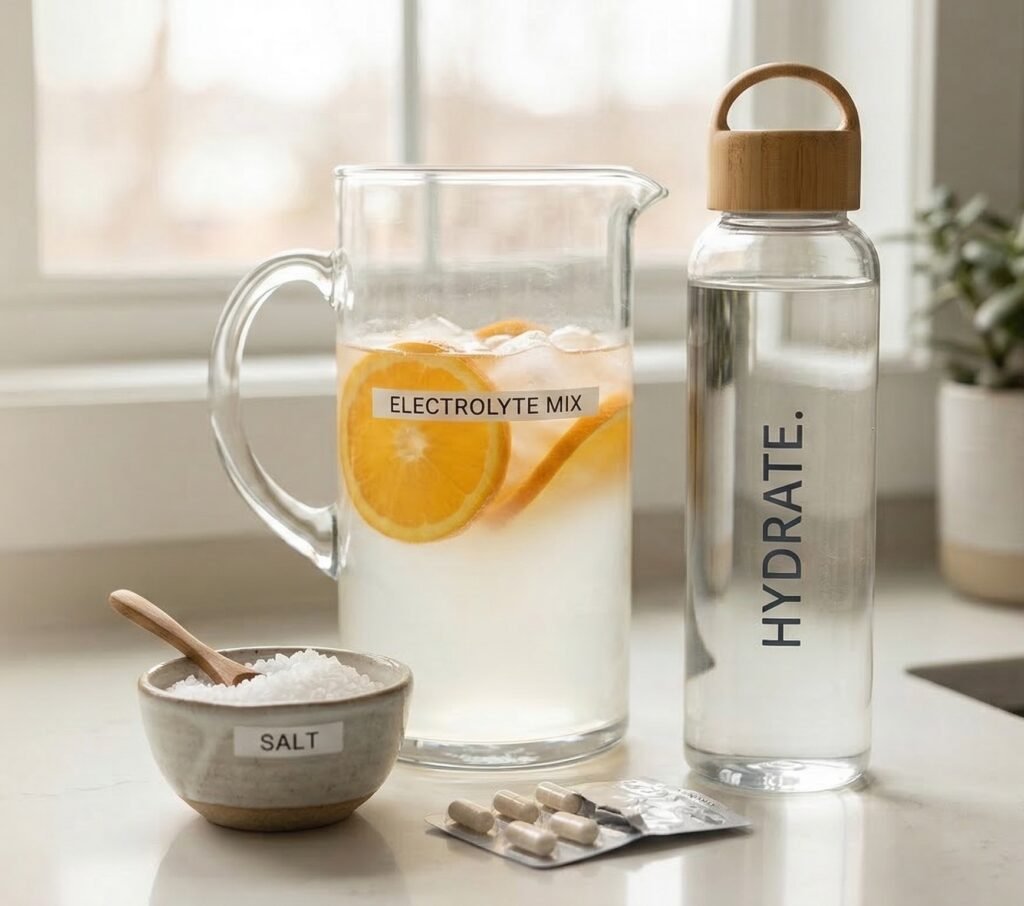
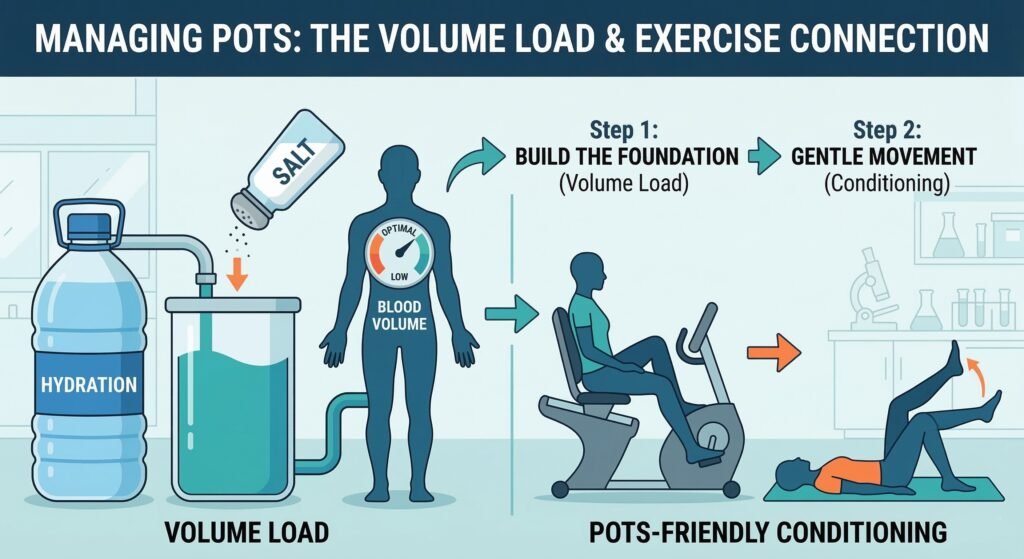
Two of the most powerful tools people with POTS can use to support their symptoms are exercise and volume loading—the strategic combination of hydration and salt intake to help stabilize blood flow. This post explores how these two approaches work together, why they matter, and how people in the POTS community often integrate them into daily life.
Understanding Why Exercise Matters for POTS
Exercise is often recommended as part of a general management plan for POTS because it helps strengthen the cardiovascular system, improve circulation, and support autonomic stability. But for many people with POTS, the word “exercise” can feel intimidating. When your heart rate spikes just from standing, the idea of structured movement can seem impossible.
The key is redefining exercise. For POTS, it’s not about intensity or athletic performance—it’s about building tolerance, supporting blood flow, and training the body gently and consistently.
Do you use compression garments daily?
Why Exercise Helps
- It strengthens the lower body and core muscles that assist with venous return.
- It supports autonomic conditioning over time.
- It helps reduce deconditioning, which can worsen symptoms.
- It improves circulation and helps the body manage upright posture more effectively.
What POTS-Friendly Exercise Looks Like
Most people with POTS start with:
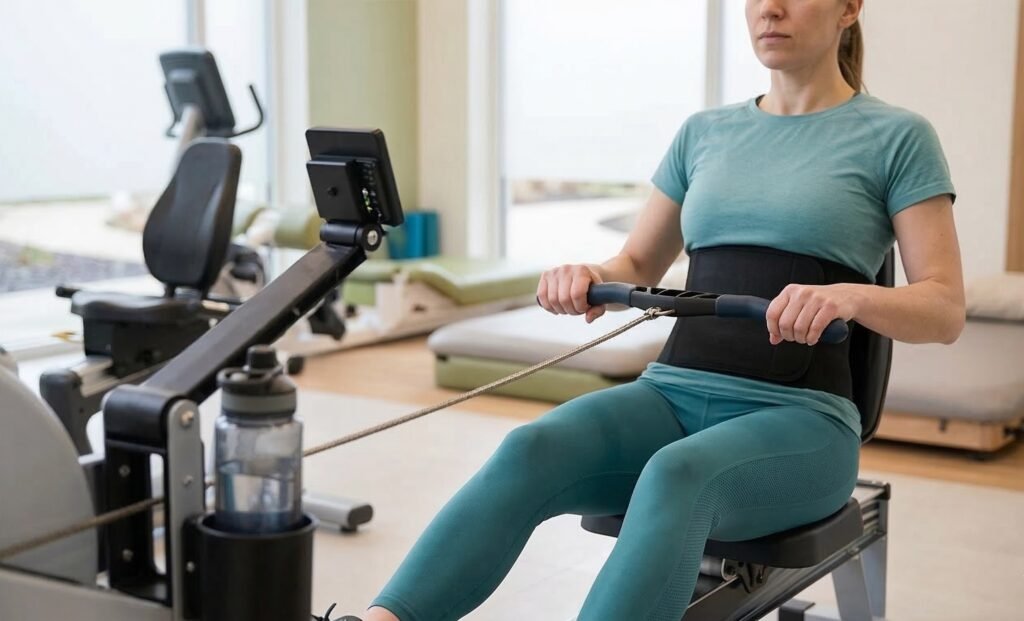
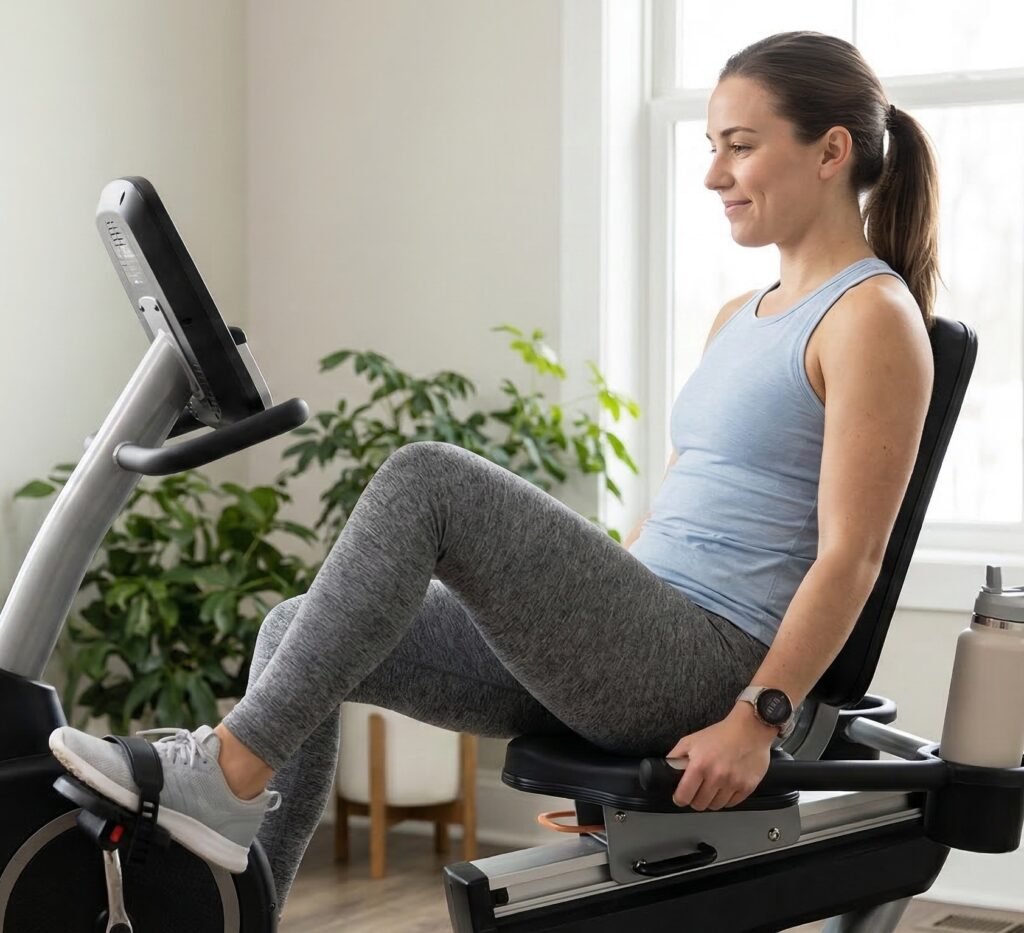
- Reclined or semi-reclined exercises (rowing, recumbent biking)
- Floor-based strength training
- Gentle resistance work
- Short, structured sessions with rest breaks
As tolerance improves, some people gradually add upright exercises, but this progression varies widely.
The Role of “Volume Loading” in POTS
Volume loading refers to increasing fluid intake and salt intake to help expand blood volume. Many people with POTS experience low circulating blood volume, which contributes to dizziness, rapid heart rate, and fatigue. Increasing volume helps the body maintain better blood pressure and reduces the severity of orthostatic symptoms.
Why Hydration Matters
Hydration supports:
- Blood pressure stability
- Circulatory volume
- Temperature regulation
- Reduced dizziness and lightheadedness
Many people with POTS drink fluids consistently throughout the day, especially before standing, walking, or exercising.
Why Salt Helps
Salt helps the body retain the fluids consumed, making hydration more effective. Without adequate salt, water alone may not stay in the bloodstream long enough to be helpful.
People often incorporate salt through:
- Salty snacks
- Electrolyte drinks
- Salt capsules (when recommended by a clinician)
- Adding salt to meals
Hydration + Salt = Volume Load
The combination of both is what makes the biggest difference. Hydration alone may not be enough, and salt alone won’t help without fluids. Together, they support the circulatory system in a way that many people with POTS find essential.
How Exercise and Volume Loading Work Together
Exercise increases the body’s demand for blood flow. For someone with POTS, this can be challenging because the autonomic system may not regulate blood pressure and heart rate effectively. Volume loading helps create a more stable foundation so exercise becomes more tolerable.
Before Exercise
Many people with POTS:
- Drink fluids 20–30 minutes before movement
- Add electrolytes or salt to support blood volume
- Choose reclined or low-impact exercises to warm up
During Exercise
- Hydration continues in small, steady amounts
- Breaks are taken frequently
- Movements stay controlled and intentional
After Exercise
- More fluids and electrolytes help replenish what was lost
- Gentle cool-downs prevent sudden drops in blood pressure
This combination helps reduce post-exertional symptoms and supports long-term conditioning.
Building a Sustainable Routine
The most important part of POTS-friendly exercise is consistency, not intensity. Many people in the POTS community follow a slow, structured progression that respects their body’s limits.
Tips for Creating a Routine
- Start with very short sessions (even 5 minutes counts).
- Use reclined or seated positions to reduce orthostatic stress.
- Pair exercise with hydration and salt intake.
- Track patterns to understand what helps and what doesn’t.
- Adjust based on daily symptoms—flexibility is essential.
People with POTS often describe their routine as a long-term investment rather than a quick fix. Progress may be slow, but it is meaningful.
Listening to Your Body Without Losing Momentum
One of the hardest parts of exercising with POTS is balancing motivation with physical limitations. Symptoms can fluctuate dramatically from day to day. Some days, even sitting upright feels like a workout. Other days, movement feels more manageable.
The goal is not perfection—it’s supporting your body in the best way you can, using hydration, salt, and gentle conditioning to build resilience over time.

Frequently Asked Questions
How does hydration help with POTS symptoms?
Hydration supports blood volume and circulation, which can reduce dizziness and help stabilize heart rate.
Why is salt important for people with POTS?
Salt helps the body retain fluids, making hydration more effective and supporting blood pressure stability.
What types of exercise are best for POTS?
Reclined, seated, or floor-based exercises are often the most tolerable, especially when starting out.
Should I hydrate before exercising with POTS?
Many people find that drinking fluids before movement helps reduce symptoms and improves tolerance.
Can exercise make POTS worse?
Exercise can feel difficult at first, but gentle, structured conditioning often helps over time when done consistently.
How long should a POTS-friendly workout be?
Even short sessions of 5–10 minutes can be beneficial, especially when symptoms are strong.
Is upright exercise necessary for POTS recovery?
Not necessarily—many people build strength and conditioning through reclined or seated exercises.
What is the connection between low blood volume and POTS?
Low blood volume can contribute to rapid heart rate, dizziness, and fatigue, making volume loading helpful for many people.
Do electrolytes help with POTS?
Electrolyte drinks can support hydration and salt intake, especially during exercise or hot weather.
Can I combine salt capsules with exercise?
Some people do, but it’s important to follow guidance from a healthcare professional for personalized recommendations.

 GnarlyTree | DIAGNOSTIC TESTS & CARE
What is the Role of a Physical Therapist for POTS
Understand how physical therapists support POTS patients through graded conditioning, mobility strategies, and symptom‑aware exercise.
Final Thoughts
Exercise and volume loading are two of the most supportive tools many people with POTS use to manage symptoms and improve daily functioning. When combined thoughtfully—hydration, salt, and gentle conditioning—they create a foundation that helps the body handle movement, posture changes, and everyday activity with more stability.
Every person with POTS is different, and routines often evolve over time. What matters most is listening to your body, honoring your limits, and building a sustainable rhythm that supports your well-being. With patience, consistency, and the right strategies, many people find that exercise and volume loading become powerful allies in navigating life with POTS.
What is your preferred source of electrolytes?