Navigating the medical world when your heart is racing just from standing up can feel like running a literal marathon while being told you’re “just stressed.” If you’ve spent months (or years) trying to explain why your brain feels like it’s in a fog or why a simple shower feels like a high-intensity workout, you know that self-advocacy isn’t just a buzzword—it’s a survival skill.
Postural Orthostatic Tachycardia Syndrome (POTS) is often misunderstood or overlooked in standard clinical settings, leaving patients to do the heavy lifting of connecting the dots. This guide is designed to take some of that weight off your shoulders. It’s not just a list of symptoms; it’s a comprehensive toolkit meant to bridge the gap between your lived experience and the clinical data your provider needs to see.
Below, you’ll find everything from scripts for when you feel dismissed to a ready-to-use outreach template for finding POTS-aware clinicians. Whether you’re just starting your diagnostic journey or looking to fine-tune your management plan, use these resources to turn your next appointment into a collaborative partnership. You deserve to be heard, and you certainly deserve a care plan that actually lets you stand your ground.
Have you found stress management to be a key part of your POTS care?
If you are reaching out to a new clinic, use the template at the bottom of this post to introduce yourself and your goals clearly.
Outreach Messaging for POTS
Common Symptoms You Might Experience
POTS is a form of dysautonomia that impacts the autonomic nervous system. You might notice:
- Fast heart rate when standing
- Lightheadedness or fainting
- Fatigue that worsens with activity
- Brain fog or trouble concentrating
- Nausea, bloating, or GI issues
- Shakiness, sweating, or temperature sensitivity
- Chest pain or palpitations
- Headaches or blurry vision
How to Talk to Your Provider
Approaching a doctor can be intimidating. You can keep it simple and direct:
“I’ve been experiencing symptoms that match Postural Orthostatic Tachycardia Syndrome (POTS). I’d like to explore testing and treatment options. I have a guide that outlines the basics if you’re open to reviewing it together.”
What to Ask For
If your provider is open to testing, you can specifically request:
- Orthostatic vitals (heart rate and blood pressure lying down, then standing)
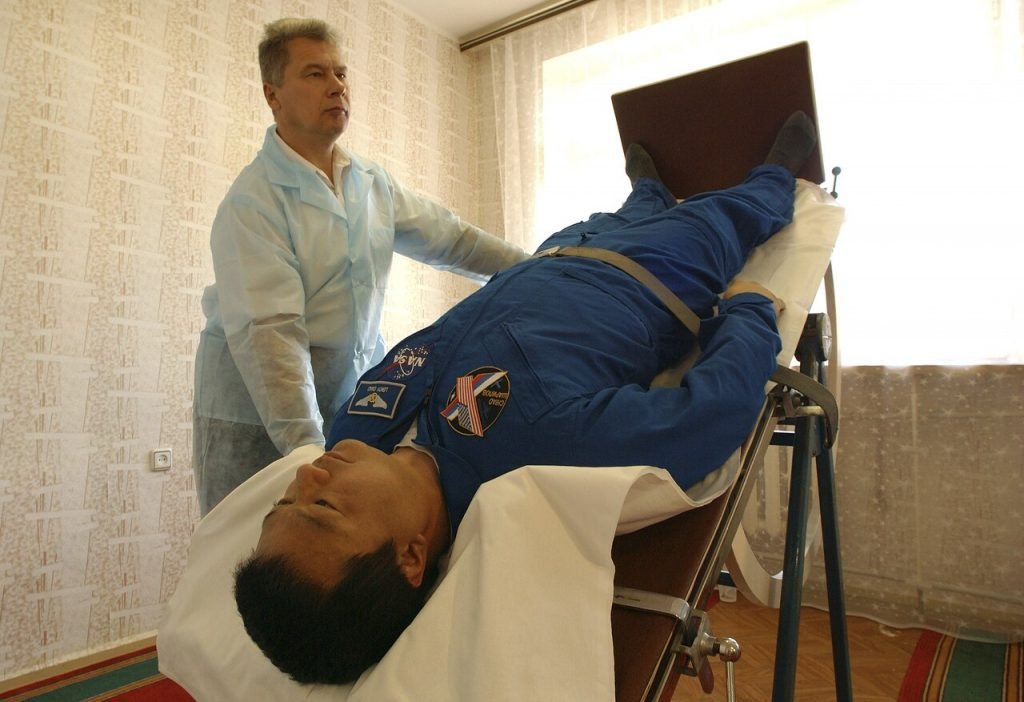
- Tilt table test (if available)
- Basic labs: CBC, CMP, TSH, ferritin, B12
- Referral to cardiology or neurology
- Compression garments or salt/fluid guidance
- Medication options (e.g., beta blockers, fludrocortisone, midodrine)
Tips for Managing Symptoms
- Drink 2–3 liters of water daily
- Increase salt intake (unless contraindicated)
- Wear compression garments (waist-high)
- Exercise lying down or seated (recumbent bike, rowing)
- Break tasks into smaller steps
- Use cooling tools or fans if heat-sensitive
If You Feel Dismissed
It is a common—though frustrating—experience. If you feel unheard, it’s okay to push back gently:
“I understand this condition isn’t widely known. I’m not asking for a diagnosis today—I’m asking for help exploring what’s going on and ruling out POTS or related conditions.”
You deserve to be heard. If needed, ask for a second opinion or referral.
International Advice | Seeking POTS Care General Guidelines
Navigating a POTS diagnosis can vary significantly depending on your country’s healthcare structure. Whether you are dealing with a centralized system like the NHS or a multi-payer system, these general principles help bridge the gap between local protocols and international standards.
1. Understand Your Local “Pathway”
In many countries (like the UK, Canada, or Australia), you cannot see a specialist without a GP referral. To make this process smoother:
- Request a “Poor Man’s Tilt Table Test”: Ask your GP to perform an Active Stand Test in the office. This involves measuring your heart rate and blood pressure after 5–10 minutes of lying flat, and then again at intervals (1, 3, 5, and 10 minutes) while standing still.
- Bring International Criteria: Many GPs may not be familiar with the 2015 Heart Rhythm Society (HRS) consensus or the Canadian Cardiovascular Society (CCS) guidelines. Having a printout of these diagnostic criteria can help “standardize” your conversation.
2. Finding a Specialist
POTS typically falls under the umbrella of Cardiology (electrophysiology) or Neurology (autonomic specialists).
- Check Patient Registries: Organizations like Dysautonomia International maintain a global “Physician Finder” map.
- Search for “Syncope Clinics”: In some regions, POTS is managed through specialized syncope or “Blackout” clinics rather than general cardiology.
3. Translation and Terminology
If you are seeking care in a country where English is not the primary language, it is helpful to use the formal clinical terms to ensure nothing is lost in translation:
- Formal Term: Postural Orthostatic Tachycardia Syndrome.
- Related Term: Dysautonomia (an umbrella term for autonomic nervous system dysfunction).
- Key Symptom: “Orthostatic Intolerance” (the inability to remain upright without symptoms).
4. Patient Rights & Documentation
Regardless of your location, you have the right to your medical records.
- Keep a Digital Trail: In many European and Asian healthcare systems, patients are responsible for carrying their own “medical passport” or records between specialists. Always ask for a printed copy of your stand-test results and any ECG/EKG strips.
- Advocate for a Specialist Referral: If your local provider is unfamiliar with POTS, suggest a referral to a teaching hospital or a university-affiliated center, as these institutions are more likely to have autonomic testing equipment.
Global Resources for Support
- Dysautonomia International Offers support groups specific to various countries and US states.
- Stand Up to POTS
- POTS UK Excellent for those navigating the NHS and private UK healthcare.
- The Ehlers-Danlos Society Since POTS often co-occurs with hypermobility (hEDS), their global directory can often lead you to POTS-aware providers.
📝 Your Info (Fill Out Before Your Appointment)
| Item | Notes |
|---|---|
| Main symptoms | [e.g., dizziness, fatigue, brain fog] |
| When symptoms started | [Month/Year] |
| What helps | [e.g., lying down, fluids] |
| What makes it worse | [e.g., standing, heat] |
| Medications/supplements | [List here] |
| Diagnoses (if any) | [e.g., EDS, MCAS] |
| Questions for provider | [Write 2–3 here] |
Outreach Message Template for Patients Seeking POTS-Aware Providers
Subject: Seeking Support for Postural Orthostatic Tachycardia Syndrome (POTS)
Message:
Hello [Provider’s Name or Clinic Team],
My name is [Your Name], and I’m reaching out as a local patient seeking support for Postural Orthostatic Tachycardia Syndrome (POTS).
I’ve been experiencing symptoms such as rapid heart rate upon standing, dizziness, fatigue, and cognitive challenges—many of which align with POTS. I understand this condition isn’t always familiar to providers, so I’ve prepared a brief patient guide to help explain my experience and share trusted clinical resources.
I’m hoping to connect with a provider who is open to exploring POTS as a possibility, and who can help with diagnostic steps, symptom management, or referrals if needed. I’m not asking for a diagnosis upfront—just a collaborative conversation and a chance to be heard.
I also live with [related conditions or symptoms—e.g., connective tissue issues, sensory sensitivities, or chronic fatigue], which may overlap with POTS. I’m happy to share documentation, symptom logs, and any materials that support our discussion.
If you or someone in your clinic is open to learning more or scheduling a visit, I’d be grateful. I’m located in [City/Region], and I’m flexible with telehealth or in-person appointments.
Thank you for your time and consideration. Warmly, [Your Full Name] [Phone Number or Email] [Optional: Link to your patient guide or website]

 GnarlyTree | DIAGNOSTIC TESTS & CARE
Navigating the Healthcare System with POTS
Living with POTS can be overwhelming, especially when trying to navigate the complexities of the healthcare system. From finding knowledgeable providers to managing insurance and treatment plans, patients often face unique challenges that require persistence,...
Have you found water-based exercises to be helpful?