Why Anti Inflammatory Foods Matter
Living with chronic inflammation can feel overwhelming, but the good news is that your grocery cart can become a powerful tool for healing. By choosing whole, nutrient‑dense foods that naturally fight inflammation, you can support your body’s resilience, reduce discomfort, and promote long‑term wellness. This guide will walk you through the best anti‑inflammatory foods to add to your shopping list, how to use them in everyday meals, and which items to avoid.



Inflammation is the body’s natural defense mechanism, but when it becomes chronic, it can contribute to conditions like arthritis, heart disease, diabetes, and even cognitive decline. Diet plays a central role in either fueling or calming this process. Anti‑inflammatory foods are rich in antioxidants, omega‑3 fatty acids, fiber, and phytonutrients that help balance the immune response.
Building Your Anti Inflammatory Shopping List
When you head to Aldi, Whole Foods, or your local market, focus on whole foods with minimal processing. Think colorful produce, lean proteins, healthy fats, and fiber‑rich grains. Below are categories to guide your shopping trip.
What macronutrient balance do you find most beneficial for POTS?
Fresh Produce: Nature’s Anti Inflammatory Pharmacy
- Leafy greens: spinach, kale, arugula, Swiss chard
- Cruciferous vegetables: broccoli, Brussels sprouts, cauliflower
- Colorful fruits: blueberries, raspberries, cherries, oranges
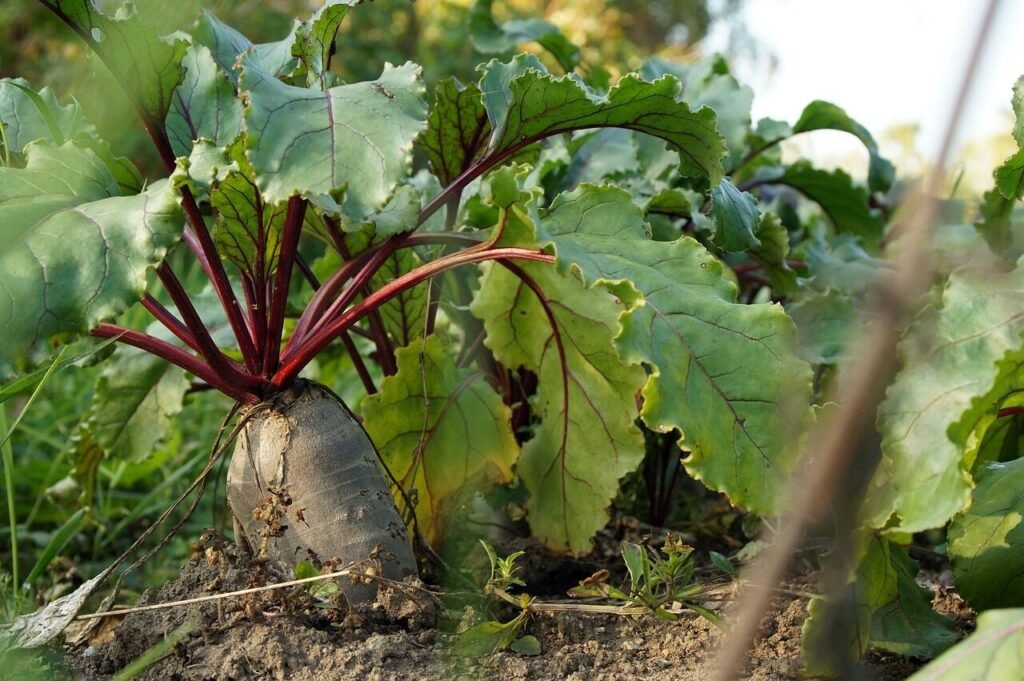
- Root vegetables: beets, carrots, sweet potatoes
These foods are loaded with vitamins C, K, and A, plus phytonutrients like sulforaphane and anthocyanins that reduce oxidative stress.
Healthy Fats: Essential for Reducing Inflammation
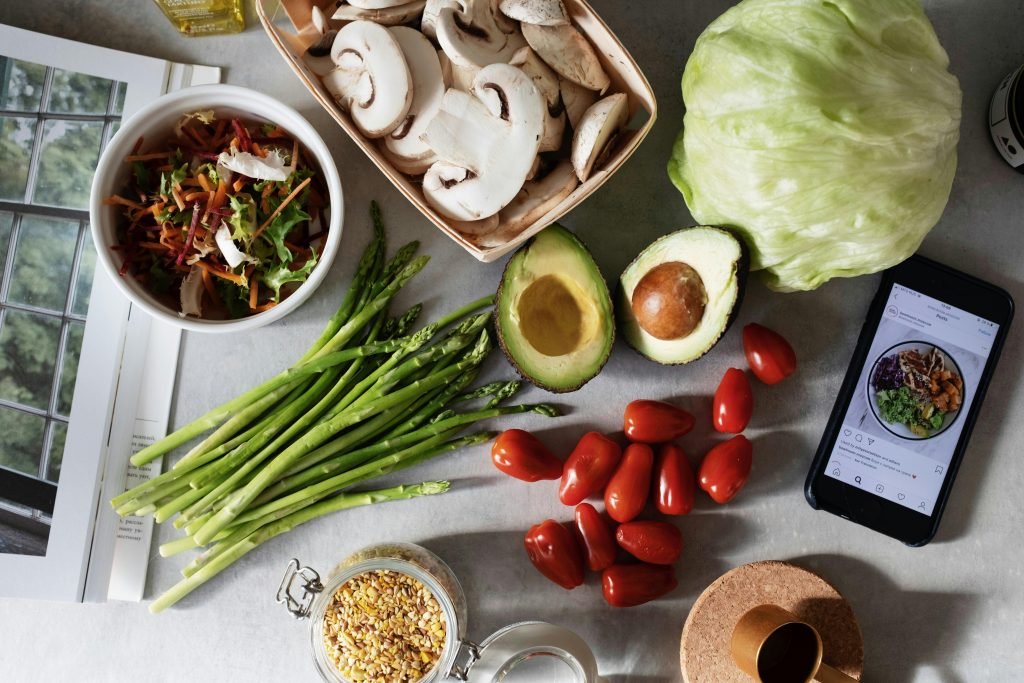
- Avocados: monounsaturated fats and carotenoids
- Extra virgin olive oil: polyphenols and oleic acid
- Nuts and seeds: walnuts, almonds, chia seeds, flaxseeds, pumpkin seeds
- Fatty fish: salmon, sardines, mackerel
Omega‑3 fatty acids are especially powerful in calming inflammatory pathways.
Plant‑Based Proteins: Fiber and Phytonutrients Combined
- Legumes: lentils, chickpeas, black beans
- Whole grains: quinoa, oats, barley, brown rice
- Soy foods: edamame, tofu (minimally processed)
These foods stabilize blood sugar, provide protein, and deliver antioxidants.
Herbs and Spices: Flavor with Healing Power
- Turmeric: curcumin reduces inflammatory markers
- Ginger: gingerols soothe digestive and systemic inflammation
- Garlic: allicin supports immune balance
- Cinnamon: helps regulate blood sugar
Foods to Limit or Avoid
Shopping smart also means knowing what to leave out of your cart. Highly processed foods, refined sugars, and trans fats are the biggest culprits.
- Sugary drinks and sodas
- Packaged pastries, cookies, and candy
- Processed meats like bacon, hot dogs, and deli slices
- Fried fast food items
- Refined grains such as white bread and pasta
These foods spike blood sugar, disrupt gut health, and fuel inflammatory responses.
Smart Shopping Tips
Shop the Perimeter
Most anti‑inflammatory foods are found around the edges of the store—produce, dairy alternatives, fresh fish, and bulk nuts.
Read Labels Carefully
Even seemingly healthy items can hide added sugars, refined oils, or preservatives. Look for short ingredient lists with recognizable whole foods.
Buy Seasonal and Local
Seasonal produce is fresher, more nutrient‑dense, and often more affordable. Local farmers’ markets can be a treasure trove of anti‑inflammatory staples.
Stock Your Pantry Wisely
Keep staples like oats, quinoa, olive oil, canned beans, and frozen berries on hand. This ensures you always have anti‑inflammatory options ready to go.
Sample Anti Inflammatory Shopping List
Here’s a quick example of what your cart might look like:
- Spinach, kale, broccoli, Brussels sprouts
- Blueberries, cherries, oranges
- Salmon, sardines, tofu
- Avocados, walnuts, chia seeds, flaxseeds
- Quinoa, oats, lentils
- Turmeric, ginger, garlic
This is pretty much My Own Weekly shopping list BASE. (I go through all of this every week)
- Bag of Spinach (or kale), 1lb of Broccoli, 1lb Carrots,
- 1lb Prunes, 5 Bananas, 4 Apples or kiwi’s
- 1/4lb blueberries/strawberries/cherry frozen (handful a day)
- 1/2 Can Coconut Milk, 1-2 ginger roots, turmeric root
- 1/2lb walnuts, 3-4 cups of chia, flax seed mix

 GnarlyTree | DIAGNOSTIC TESTS & CARE
Tilt Table Test | A Key Diagnostic Tool for POTS
Understanding the Tilt Table Test for POTS The Tilt Table Test is a crucial diagnostic procedure commonly used to identify Postural Orthostatic Tachycardia Syndrome (POTS), a form of dysautonomia. Patients experiencing unexplained dizziness, rapid heart...
Frequently Asked Questions
What are the best anti inflammatory foods to eat daily?
Leafy greens, berries, fatty fish, and olive oil are excellent daily staples.
Can anti inflammatory foods help with arthritis?
Yes, omega‑3 rich foods and antioxidants can reduce joint pain and stiffness.
Are all grains inflammatory?
No, whole grains like oats and quinoa are anti‑inflammatory, while refined grains can trigger inflammation.
Is coffee anti inflammatory?
Unsweetened coffee contains antioxidants that may reduce inflammation, but moderation is key.
Do dairy products cause inflammation?
Processed dairy can be inflammatory, but fermented options like yogurt may be tolerated by some.
How quickly can diet reduce inflammation?
Some people notice improvements in energy and pain within weeks of consistent changes.
Are nuts and seeds good for inflammation?
Yes, they provide healthy fats, fiber, and antioxidants that calm inflammation.
Should I avoid all oils?
No, extra virgin olive oil and avocado oil are anti‑inflammatory, while refined vegetable oils are not.
Final Thoughts
Shopping for anti‑inflammatory foods doesn’t have to be complicated. By focusing on whole, colorful produce, healthy fats, lean proteins, and healing spices, you can transform your grocery cart into a toolkit for better health. Avoiding processed, sugary, and fried items is just as important as choosing nutrient‑dense foods. Over time, these choices can reduce chronic inflammation, boost energy, and support long‑term wellness.
Your next trip to any grocery store can be the start of a healthier, more vibrant lifestyle—one cart at a time.
What is the most helpful non-medical aid you use?