
Comprehensive Guide to Supplements for POTS | Essential Nutrients and How They Support Dysautonomia
A clear overview of commonly used supplements for POTS and how they may support energy, hydration, and autonomic function.
A clear overview of commonly used supplements for POTS and how they may support energy, hydration, and autonomic function.

A personal look at how creative expression can support emotional resilience, grounding, and coping for people living with chronic illness.
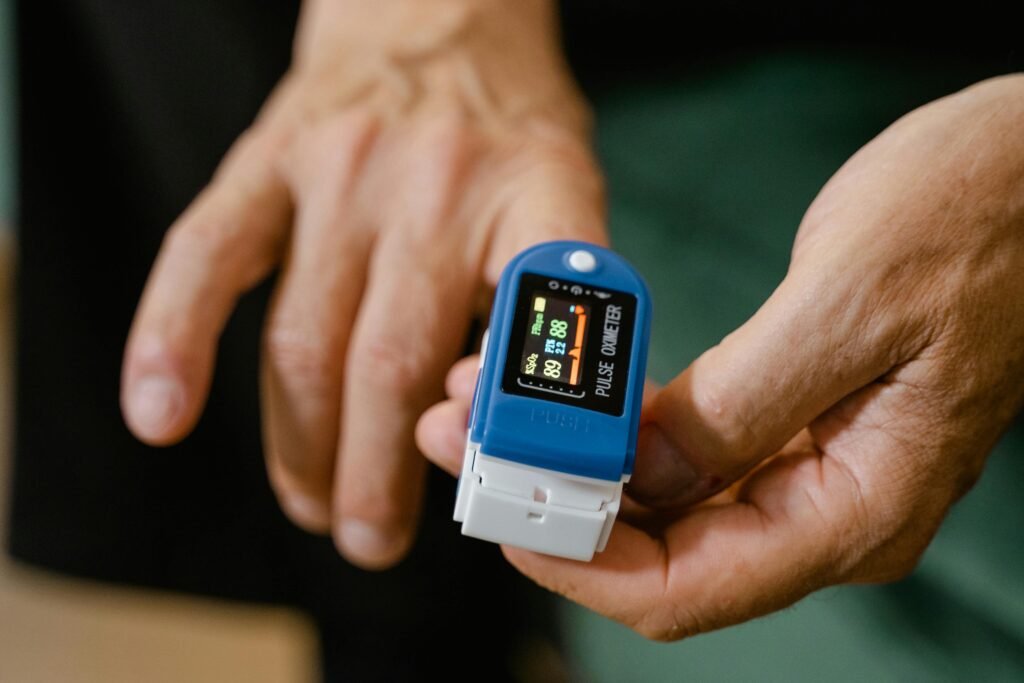
A guide to helpful tools—like compression, monitoring devices, and cooling aids—that support daily symptom control in POTS.
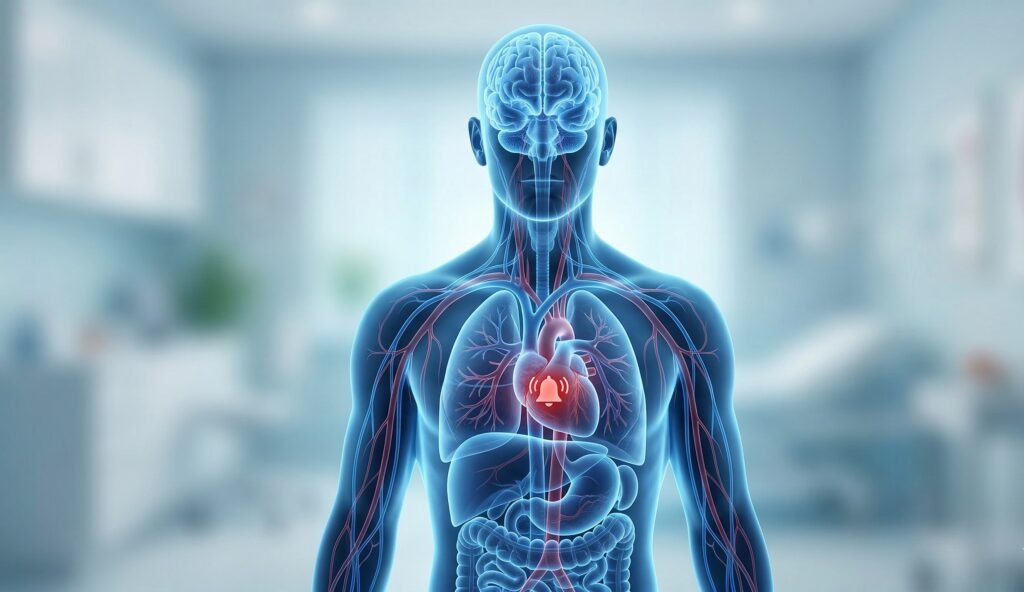
Understand the medical conditions that may contribute to secondary POTS and how identifying the underlying cause can guide management.
Learn what defines hyperadrenergic POTS, including hallmark symptoms, triggers, and supportive management strategies.
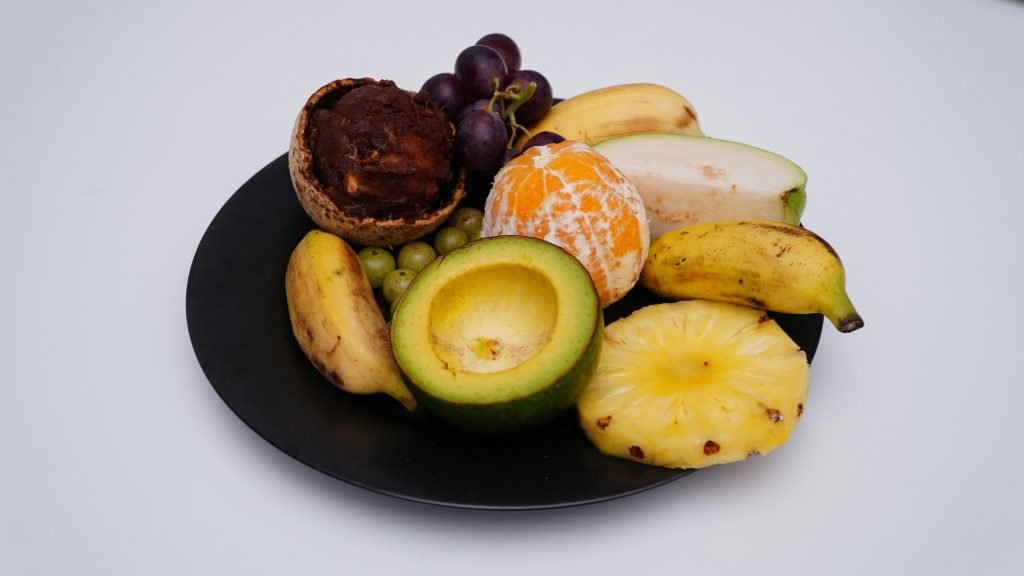
Understand the role of electrolytes in blood volume, hydration, and autonomic stability, with practical tips for daily mineral balance.

Learn which foods may worsen symptoms like dizziness, fatigue, or tachycardia and how to make supportive dietary choices.
A summary of key findings from ivabradine research and what the results may mean for people managing POTS symptoms.

Explore how nerve dysfunction affects circulation and symptom patterns in neuropathic POTS.

Explore lifestyle adjustments that support autonomic balance, reduce symptom flares, and improve daily functioning with POTS.
A clear guide to understanding sodium needs in POTS and how salt intake supports blood volume and symptom stability.
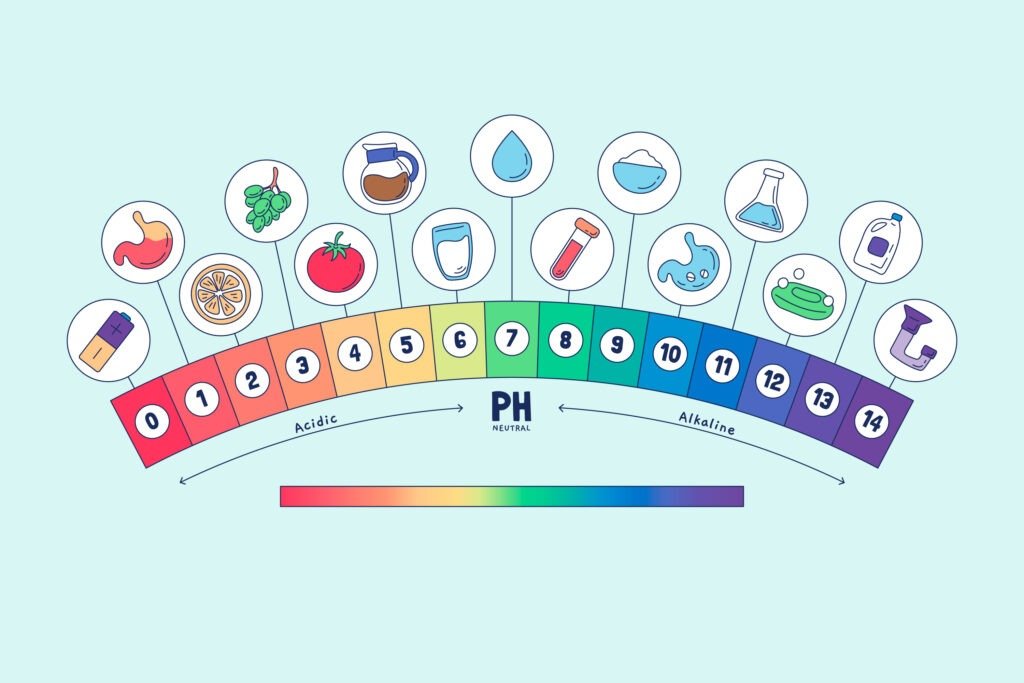
A simple explanation of body pH concepts and how they relate to overall wellness, energy, and chronic illness symptom patterns.
Learn how strategic nutrition choices can support blood volume, energy, digestion, and symptom stability in POTS.

A supportive guide to using walkers for stability, safety, and confidence during severe POTS symptoms or mobility challenges.
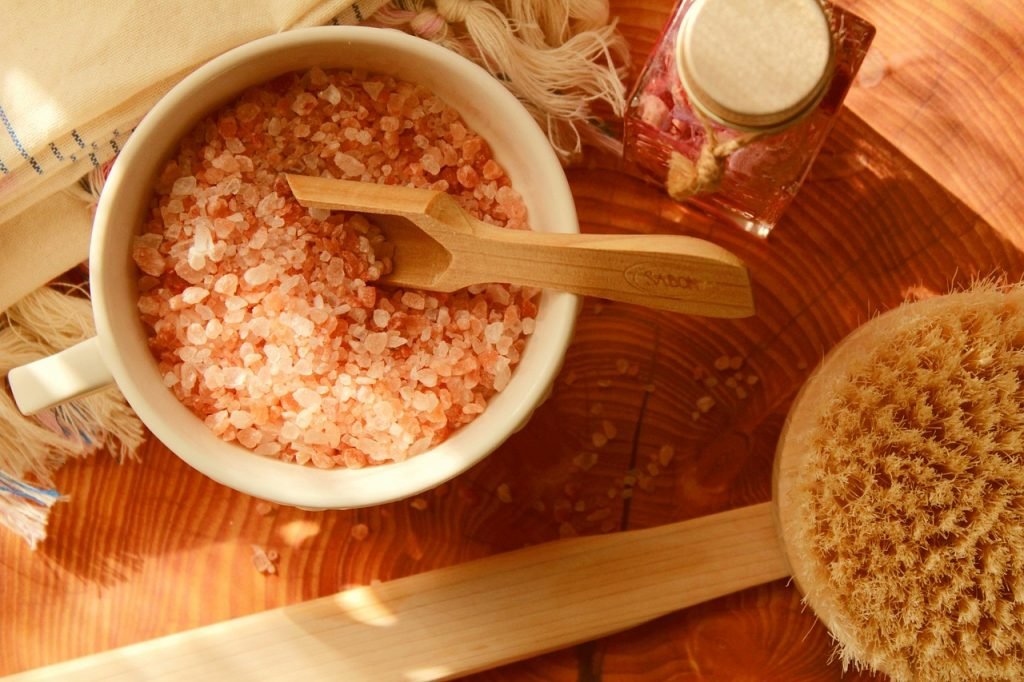
Learn how Epsom salt baths may support muscle relaxation, circulation, and overall comfort for people managing POTS symptoms.
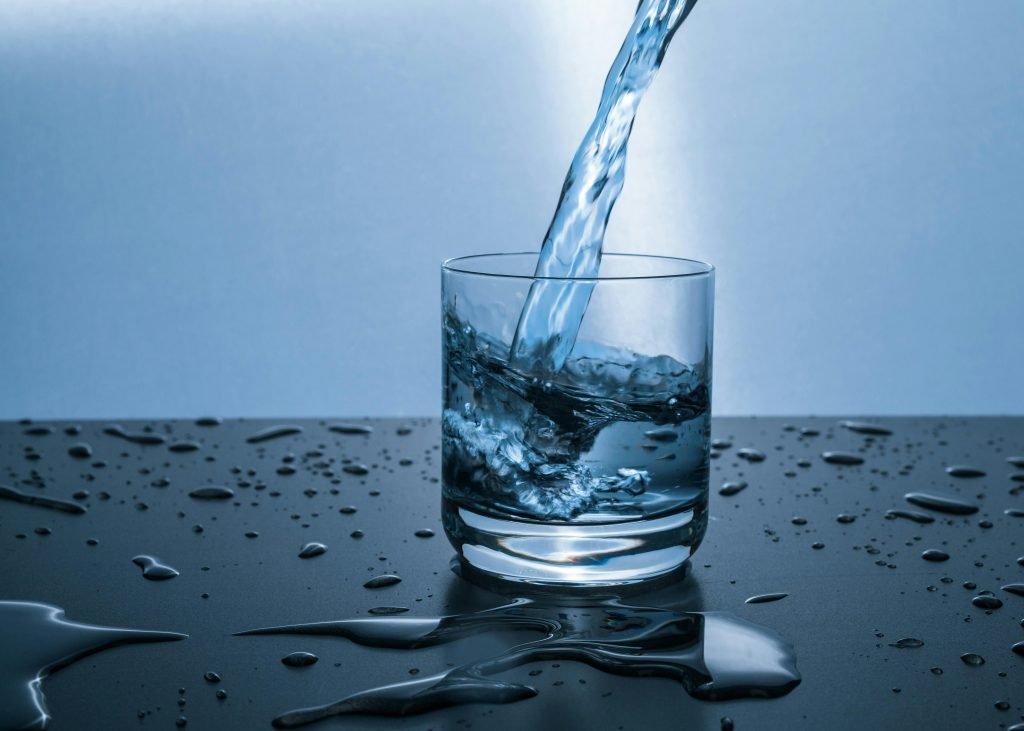
Learn how fluid intake, electrolytes, and daily hydration habits support blood volume and help reduce orthostatic symptoms.
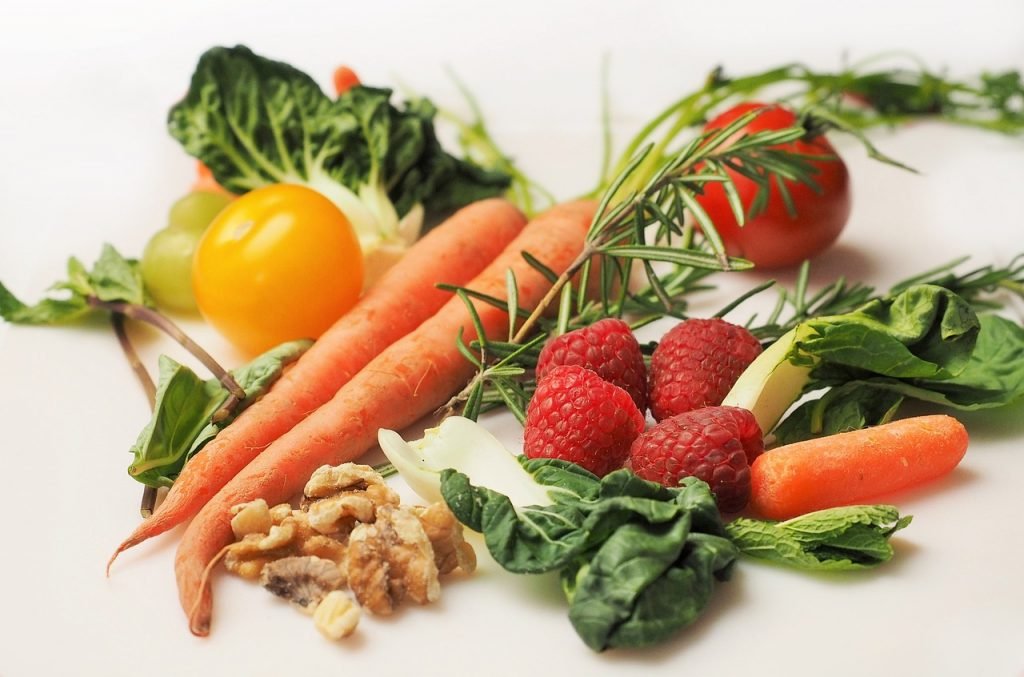
Explore nutrient‑dense foods that support hydration, circulation, and overall wellness for people with POTS.

Discover POTS‑friendly exercise tools that support reclined training, gradual conditioning, and safer movement for autonomic stability.

A simple approach to using green juices to support hydration, nutrient intake, and daily wellness with POTS.

Explore how hydration, salt intake, and gentle conditioning work together to support circulation and exercise tolerance in POTS.

A practical guide to balancing proteins, fats, and carbohydrates to support blood sugar stability, energy, and symptom management in POTS.

Explore common nutrient deficiencies seen in POTS and how targeted dietary choices may support energy, circulation, and daily stability.

Learn how meal timing and portion size can support digestion, blood flow, and symptom stability in POTS.

A practical overview of pacing, energy conservation, and supportive habits that help manage chronic fatigue.
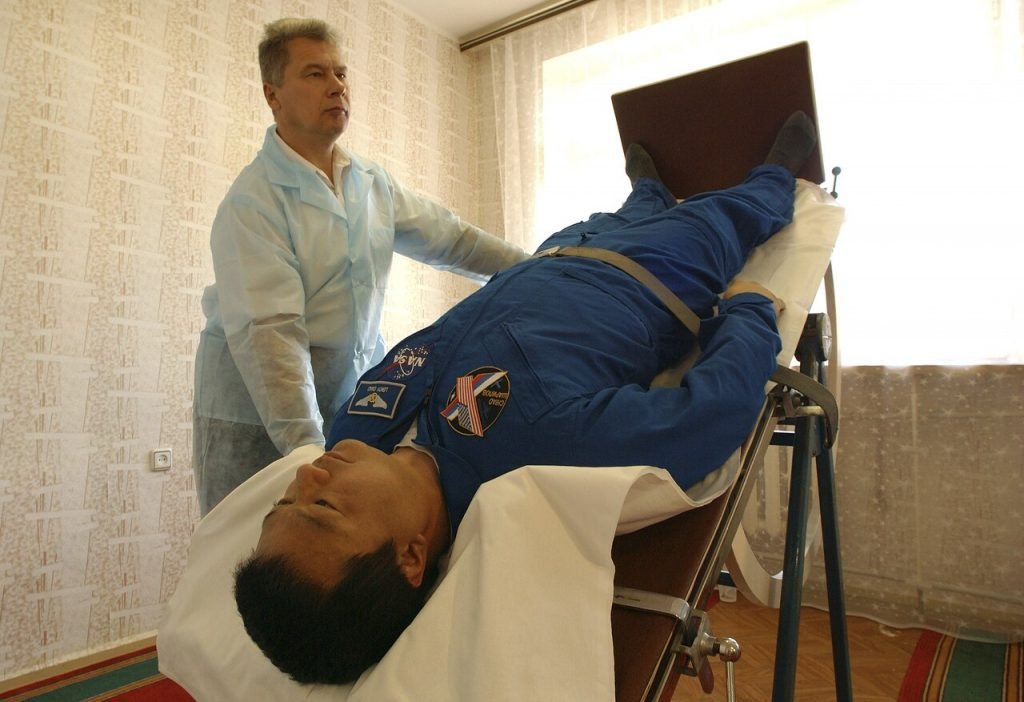
Understand how the tilt table test works, what it measures, and how it helps diagnose POTS and other autonomic disorders.

Learn how temperature therapy can support comfort, reduce flares, and help manage heat sensitivity and circulation challenges in POTS.

Explore sleep‑supportive habits, positioning tips, and environmental adjustments that may improve rest for people with POTS.

Learn how secondary POTS develops, what underlying conditions may contribute, and why identifying the cause matters.
A clear explanation of hypovolemic POTS and how low blood volume contributes to dizziness, fatigue, and tachycardia.

Explore how multiple sclerosis may affect autonomic function and why some people with MS experience POTS‑like symptoms.