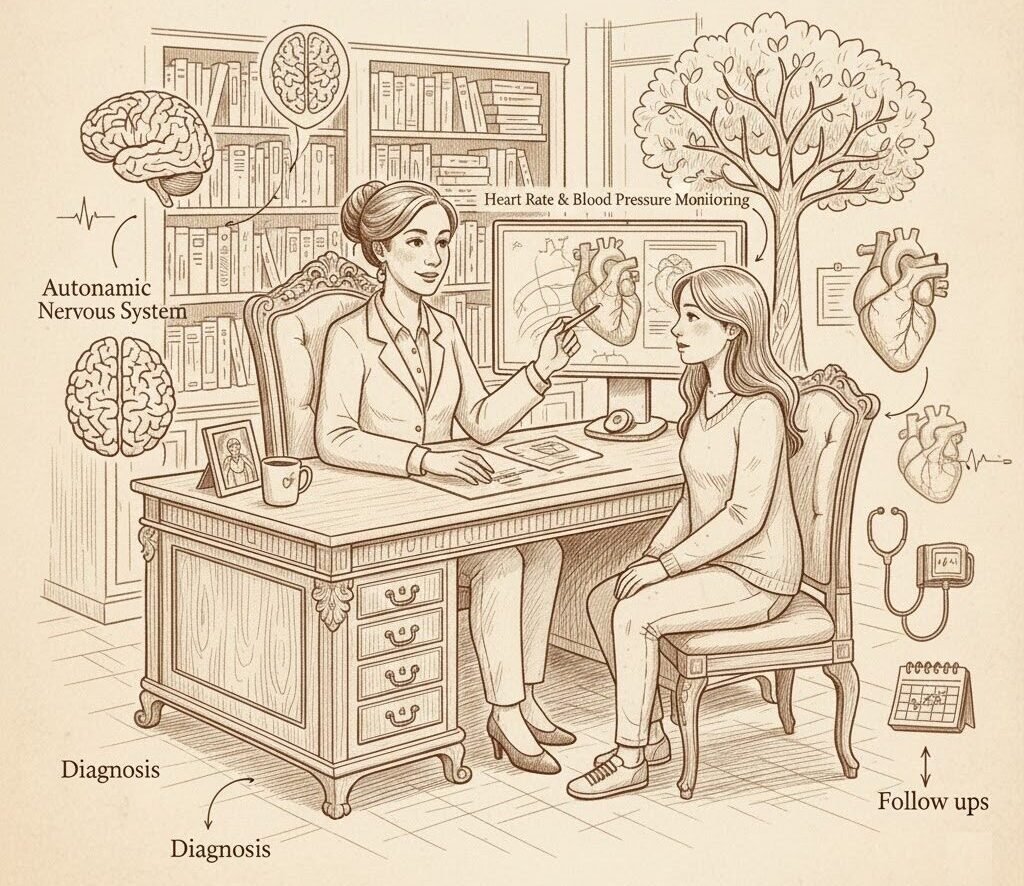
Because the cardiovascular system is directly involved, cardiologists often play a central role in diagnosing, managing, and supporting patients with POTS. This post explores the critical responsibilities cardiologists have in caring for POTS patients, how they collaborate with other specialists, and what patients can expect during their journey toward better health.
Understanding POTS and the Cardiovascular Connection
POTS is a form of dysautonomia characterized by an abnormal increase in heart rate when standing upright. Patients often experience dizziness, palpitations, fatigue, chest discomfort, and exercise intolerance. Since these symptoms are closely tied to cardiovascular function, cardiologists are uniquely positioned to evaluate and manage the condition.
The Cardiologist’s Role in Diagnosis
Initial Evaluation
Cardiologists begin by reviewing a patient’s medical history, focusing on symptoms such as rapid heartbeat, fainting episodes, and intolerance to standing. They often ask about lifestyle factors, hydration, and family history of cardiovascular conditions.
How do you manage fatigue on a daily basis?
Diagnostic Testing
Cardiologists may order tests such as:
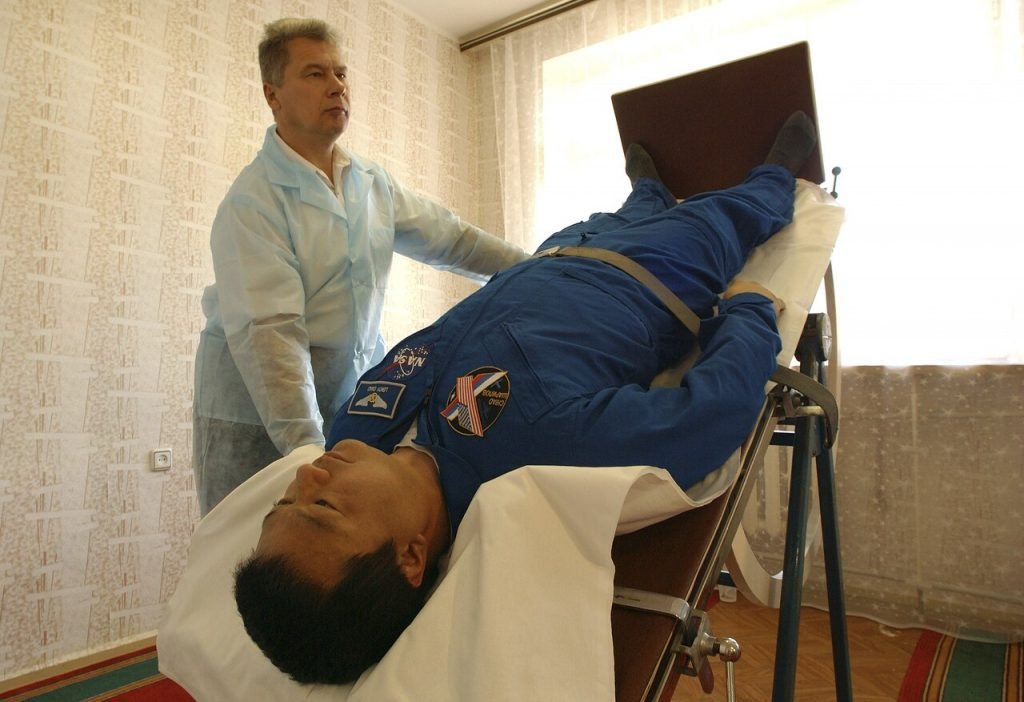
Tilt‑table testing to measure heart rate and blood pressure changes when standing.
Electrocardiograms (ECG) to assess heart rhythm.



Echocardiograms to evaluate heart structure and function.
Holter monitoring to track heart rate variability over 24–48 hours.
These tests help confirm POTS and rule out other cardiac disorders.
Differential Diagnosis
Because POTS symptoms overlap with arrhythmias, anxiety, and other circulatory issues, cardiologists are essential in distinguishing POTS from similar conditions.
Cardiologists in Symptom Management
Medication Oversight
Cardiologists prescribe and adjust medications to stabilize heart rate and blood pressure. Common options may include beta blockers, ivabradine, or medications that expand blood volume.
Lifestyle Recommendations
Cardiologists often advise patients to increase fluid and salt intake, wear compression garments, and follow structured exercise programs to improve circulation.
Monitoring Heart Health
Since POTS can coexist with other cardiovascular issues, cardiologists monitor long‑term heart health, ensuring that patients do not develop complications such as arrhythmias or structural heart problems.
Collaboration with Other Specialists
Cardiologists frequently work alongside neurologists, primary care physicians, and sometimes endocrinologists or gastroenterologists. This multidisciplinary approach ensures that both the autonomic nervous system and cardiovascular system are addressed comprehensively.
Cardiologists and Long‑Term Care
Tracking Progress
POTS symptoms can fluctuate over time. Cardiologists provide ongoing monitoring, adjusting treatment plans as needed.
Patient Education
Cardiologists help patients understand the cardiovascular aspects of POTS, empowering them to manage triggers and adopt supportive lifestyle habits.
Research and Innovation
Many cardiologists are involved in clinical research, offering patients access to emerging therapies and contributing to the broader understanding of POTS.
Practical Tips for Patients Seeing a Cardiologist
- Keep a symptom diary to share during appointments.
- Ask about tilt‑table testing and other diagnostic options.
- Discuss both cardiovascular and systemic symptoms.
- Inquire about lifestyle modifications alongside medications.
- Request referrals to other specialists if needed.

 GnarlyTree | CONNECTED CONDITIONS
The POTS Tinnitus Connection | Exploring the Link Between Autonomic Dysfunction and Ringing Ears
One lesser-known but increasingly reported symptom among POTS patients is tinnitus—a persistent ringing, buzzing, or hissing sound in the ears. While tinnitus is often associated with hearing loss or noise exposure, its presence in POTS...
Frequently Asked Questions
What is the main role of a cardiologist in POTS?
A cardiologist evaluates cardiovascular function, confirms diagnosis, and manages heart‑related symptoms.
Do cardiologists perform tilt‑table testing?
Yes, many cardiologists oversee or interpret tilt‑table tests to diagnose POTS.
Can a cardiologist prescribe medication for POTS?
Cardiologists often prescribe medications to regulate heart rate and blood pressure.
How do cardiologists help with palpitations in POTS?
They assess heart rhythm and recommend treatments to reduce rapid or irregular heartbeat.
Do cardiologists work with neurologists for POTS care?
Yes, cardiologists collaborate closely with neurologists to provide comprehensive treatment.
Is lifestyle advice part of a cardiologist’s role?
Absolutely, cardiologists recommend hydration, salt intake, compression garments, and exercise plans.
Can cardiologists help with fainting episodes in POTS patients?
Yes, they evaluate circulatory causes and provide strategies to reduce syncope risk.
Do cardiologists provide long‑term follow‑up for POTS?
They monitor progress, adjust treatments, and support patients over time.
Final Thoughts
Cardiologists play a vital role in the care of POTS patients by diagnosing cardiovascular involvement, managing heart‑related symptoms, and coordinating multidisciplinary treatment. Their expertise ensures that patients receive comprehensive support for both immediate symptom relief and long‑term management. For individuals living with POTS, partnering with a cardiologist can be a crucial step toward improved quality of life, better symptom control, and greater confidence in navigating this complex condition.
By understanding the cardiologist’s role, POTS patients can approach their care with clarity, empowerment, and hope.
What is your most effective relaxation strategy for POTS?