
Understanding the Role of Habits & Lifestyle Changes
A proper lifestyle for POTS requires changes and modifications tailored for those with POTS can help stabilize symptoms, improve quality of life, and complement medical treatments. This article explores a variety of lifestyle adjustments proven to benefit people living with POTS symptoms.
The Importance of Hydration



One of the most essential habits for managing POTS is maintaining adequate hydration. Dehydration can lead to a drop in blood volume, which exacerbates orthostatic intolerance and increases symptoms.
- Drink 2-3 liters of water daily, ideally with electrolytes.
- Electrolyte supplementation (such as sodium, potassium, and magnesium) is crucial for maintaining fluid balance.
- Keep a water bottle handy and drink throughout the day.


Increasing Salt Intake
Along with fluid intake, increasing sodium consumption helps expand blood volume and maintain blood pressure.
Do you use a walker or other mobility aid for independence?
- Most individuals with POTS are recommended to consume 3,000 to 5,000 mg of sodium per day.
- Add salt to meals or consume electrolyte drinks and salt tablets under medical supervision.
- Always consult a healthcare provider before dramatically changing salt intake, especially if you have other conditions like hypertension.
Exercise & Physical Conditioning
Physical deconditioning can worsen POTS symptoms. However, exercising in a standing position is often challenging. The key is to start low and go slow.
- Begin with recumbent exercises like rowing, swimming, or recumbent cycling.
- Gradually increase intensity and duration over weeks or months.
- Aim for at least 3-5 sessions per week, starting with 10-15 minutes and building up to 45 minutes.
- Resistance training can help strengthen leg muscles, aiding venous return.
Wear Compression Garments
Compression garments can prevent blood pooling in the legs and improve circulation.
- Waist-high compression stockings or abdominal binders are most effective.
- Look for garments that offer 20-30 mmHg compression.
- Wear them during prolonged standing, travel, or activities that trigger symptoms.
Eat Smaller, More Frequent Meals
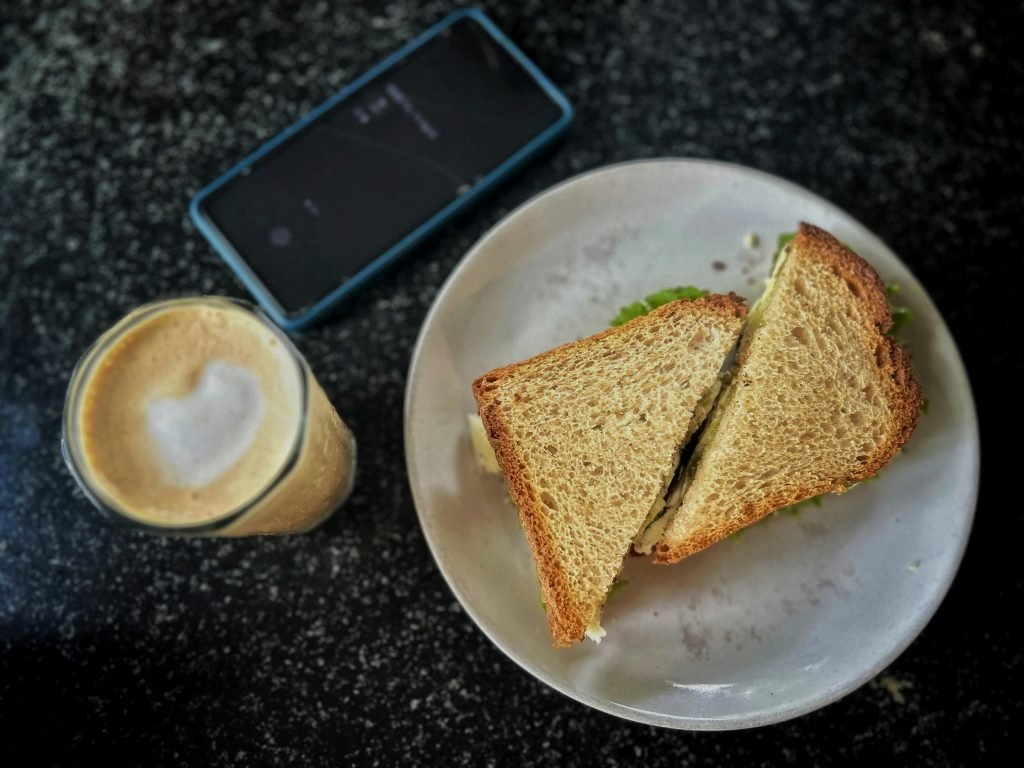
Large meals can divert blood to the digestive system, worsening POTS symptoms.
- Eat 5-6 smaller meals throughout the day.
- Focus on high-protein, low-sugar, and low-carb meals.
- Avoid heavy, high-fat meals, especially during daytime hours.
Managing Temperature & Environment
Heat exposure can dilate blood vessels and trigger symptom flare-ups.
- Avoid hot showers and hot weather whenever possible.
- Use cooling towels, fans, and cold packs during hot conditions.
- Shower seated and in lukewarm water.
Sleep Hygiene & Rest
Poor sleep can aggravate POTS symptoms. Establishing good sleep habits is essential for recovery and day-to-day functioning.
- Maintain a consistent sleep schedule, even on weekends.
- Avoid screens and stimulants like caffeine before bed.
- Create a cool, dark, and quiet sleep environment.

Managing Stress & Mental Health
Stress can significantly impact POTS symptoms. Many patients benefit from incorporating mental wellness techniques into their routine.
- Cognitive Behavioral Therapy (CBT) has shown benefits for people with chronic illnesses.
- Mindfulness, meditation, and breathing exercises help regulate the nervous system.
- Seek support through therapy, counseling, or support groups.
Track Symptoms & Identify Triggers
Keeping a symptom journal can help you and your healthcare provider identify patterns and triggers.
- Log food intake, hydration levels, exercise, sleep, and stress.
- Note any worsening or improvement in symptoms in correlation with activities.
- Use apps designed for chronic illness management if that’s easier.

Routine Medical Follow-Up
Even with great lifestyle habits, ongoing medical support is essential.
- Schedule regular check-ins with a provider familiar with autonomic dysfunction.
- Adjust medications and treatment plans as needed.
- Stay informed on the latest POTS research and therapies.
Home Setup & Accessibility
Creating a home environment that minimizes the strain of daily tasks can make a significant difference.
- Use a shower chair, grab bars, and stools in the kitchen.
- Sit whenever possible during tasks like cooking or brushing your teeth.
- Keep essential items within easy reach to avoid bending and standing for long periods.
Community & Support
Living with POTS can be isolating. Community support provides validation, information, and emotional strength.
- Join online forums or local support groups.
- Follow reputable organizations like Dysautonomia International.
- Connect with others on similar journeys to share tips and encouragement.
GnarlyTree | SUPPLEMENTS
All About Electrolytes for POTS | Balancing Minerals for Better Health
Electrolytes for POTS is crucial. Electrolytes play a vital role in keeping your body balanced, energized, and functioning optimally.
FAQ: Lifestyle Habits for Managing POTS
1. Why is hydration important for people with POTS?
Proper hydration increases blood volume and reduces symptoms like dizziness and fatigue; aim for 2–3 liters of water daily with electrolytes.
2. How much salt should someone with POTS consume?
Most POTS patients benefit from 3,000–5,000 mg of sodium daily, but this should be done under medical supervision.
3. What kind of exercise is safe for people with POTS?
Start with recumbent exercises like rowing or cycling, slowly increasing duration and intensity to improve blood flow and reduce deconditioning.
4. Do compression garments help manage POTS symptoms?
Yes, waist-high compression stockings or abdominal binders help prevent blood pooling and improve circulation, especially during upright activities.
5. Why should people with POTS eat smaller meals?
Large meals can trigger symptoms; smaller, protein-rich meals spaced throughout the day help regulate blood flow and energy.
6. How can heat affect someone with POTS?
Heat can worsen symptoms by dilating blood vessels—cool showers, fans, and avoiding hot environments can help manage this.
7. What role does sleep play in managing POTS?
Good sleep supports nervous system recovery; stick to a consistent sleep schedule and create a calm, cool bedtime environment.
8. How does stress affect POTS, and what can help?
Stress worsens symptoms, but techniques like CBT, mindfulness, and breathing exercises can calm the nervous system and improve daily function.
9. Should people with POTS track their symptoms?
Yes, journaling symptoms and lifestyle habits helps identify patterns and triggers, making it easier to adjust treatment and daily routines.
10. Why is community support important for POTS patients?
Connecting with others facing similar challenges reduces isolation, offers valuable tips, and provides emotional support.
Conclusion
Managing POTS is a long-term commitment, and lifestyle habits play a crucial role in maintaining stability and improving daily function. From hydration and salt intake to exercise, sleep, and mental health, every adjustment adds up.
By adopting these tailored lifestyle modifications and working closely with a healthcare provider, people with POTS can reclaim control and enhance their quality of life.

GnarlyTree | RESEARCH AND NEWS
Johns Hopkins Expands Its POTS Program | Why It Matters
A New Era of Recognition and Support for POTS Patients POTS has long been misunderstood, under‑recognized, and difficult to treat. In 2025, one of the most meaningful developments for the POTS community came from Johns...
What do you prioritize when planning your meals for POTS?